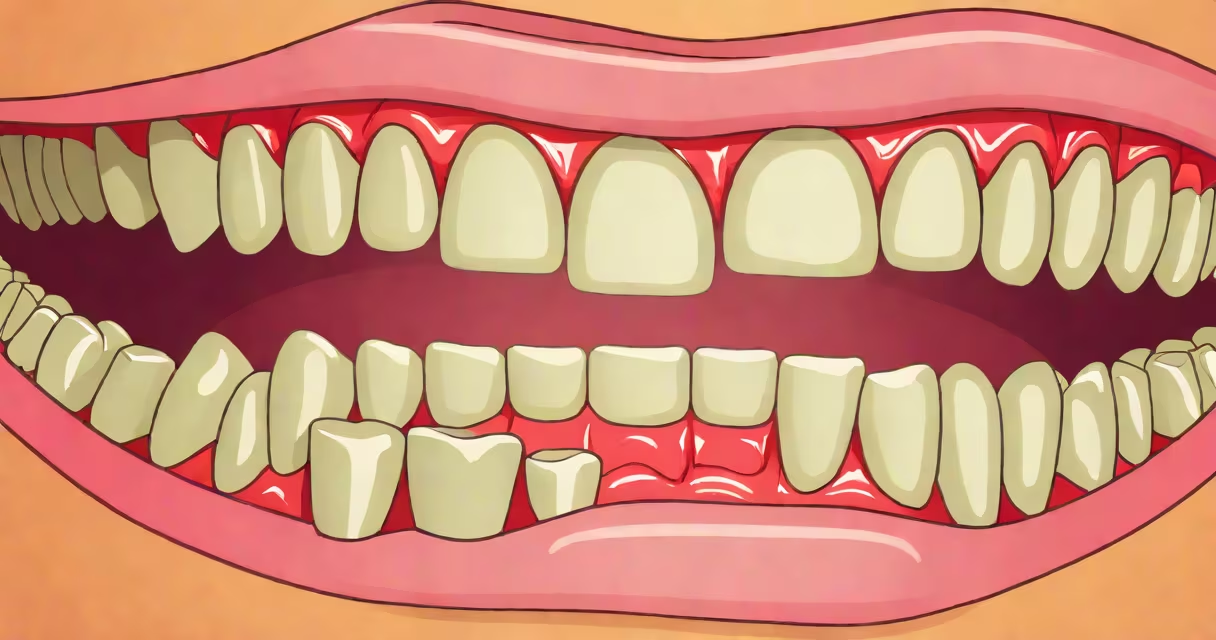
Loose gums occur when the tissue around your teeth becomes detached or inflamed, often due to gum disease or aggressive brushing. This separation creates pockets between the gums and teeth, making them feel loose.
Your gums form a tight seal around your teeth, holding them securely in place. When bacteria buildup leads to inflammation, this seal weakens. The Centers for Disease Control and Prevention (CDC) reports that nearly half of adults aged 30 and older show signs of gum disease.
Loose gums typically result from:
Schedule an appointment if you notice bleeding, persistent bad breath, or changes in how your teeth fit together. Early treatment prevents further damage. The American Dental Association recommends professional cleanings every six months to remove plaque and tartar.
I noticed my gums feeling loose after a period of stress. A dentist confirmed mild gum recession, likely due to clenching my teeth at night. Regular checkups and gentle brushing helped reverse the issue.
Maintain good oral hygiene by brushing twice daily with a soft-bristled toothbrush, flossing daily, and using an antiseptic mouthwash. Avoid smoking and manage stress to reduce teeth grinding.