Hip and thigh pain often results from muscle strains, joint inflammation, or nerve issues like sciatica. These areas share muscles and nerves, so pain frequently overlaps.
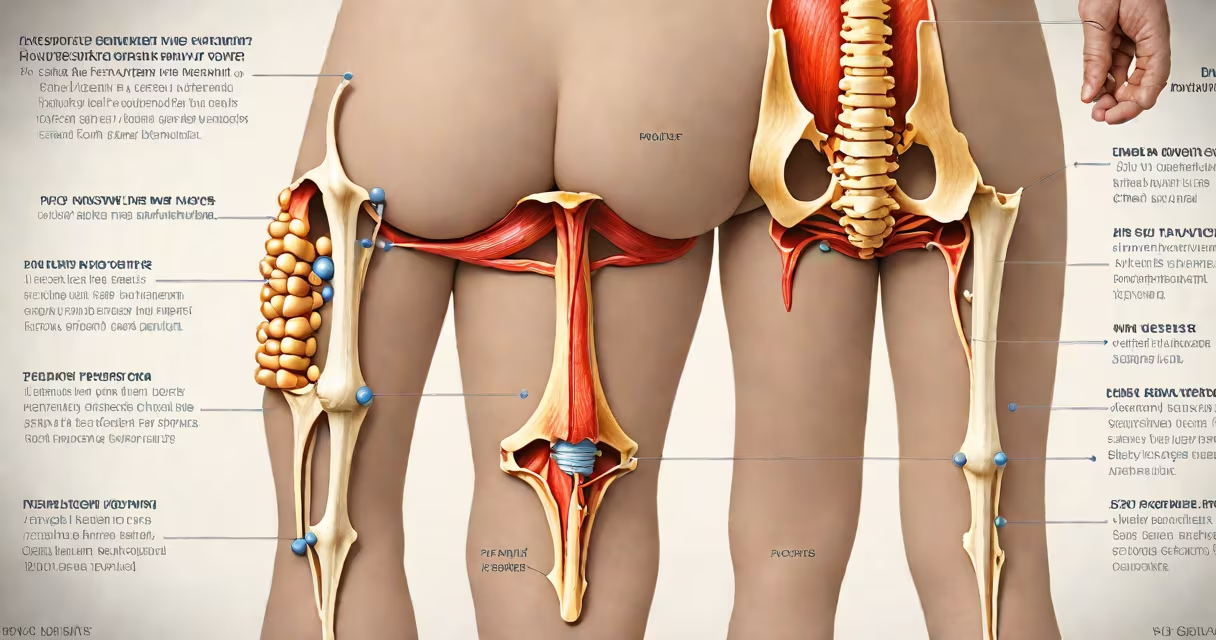
The hip joint connects your femur (thigh bone) to your pelvis. Muscles like the gluteus medius stabilize the hip, while the iliopsoas flexes it. The sciatic nerve runs from your lower back through your buttocks and down your legs, affecting both areas.
Pain in these areas stems from several sources:
Consult a healthcare provider if pain persists beyond two weeks, worsens at night, or occurs with swelling, redness, or fever. Severe pain after an injury may indicate a fracture.
Many assume hip pain always comes from arthritis. However, muscle strains and nerve compression are frequent causes. For example, sitting too long can compress the sciatic nerve, leading to thigh pain without arthritis involvement.
I once experienced sharp thigh pain after intense cycling. A physical therapist identified piriformis syndrome-a muscle compressing the sciatic nerve-and targeted stretches resolved it within weeks.
Stretching and strengthening exercises support hip and thigh health. For muscle strains, rest, ice, compression, and elevation (RICE) help. Anti-inflammatory medications may reduce joint swelling. Physical therapy addresses nerve-related pain.