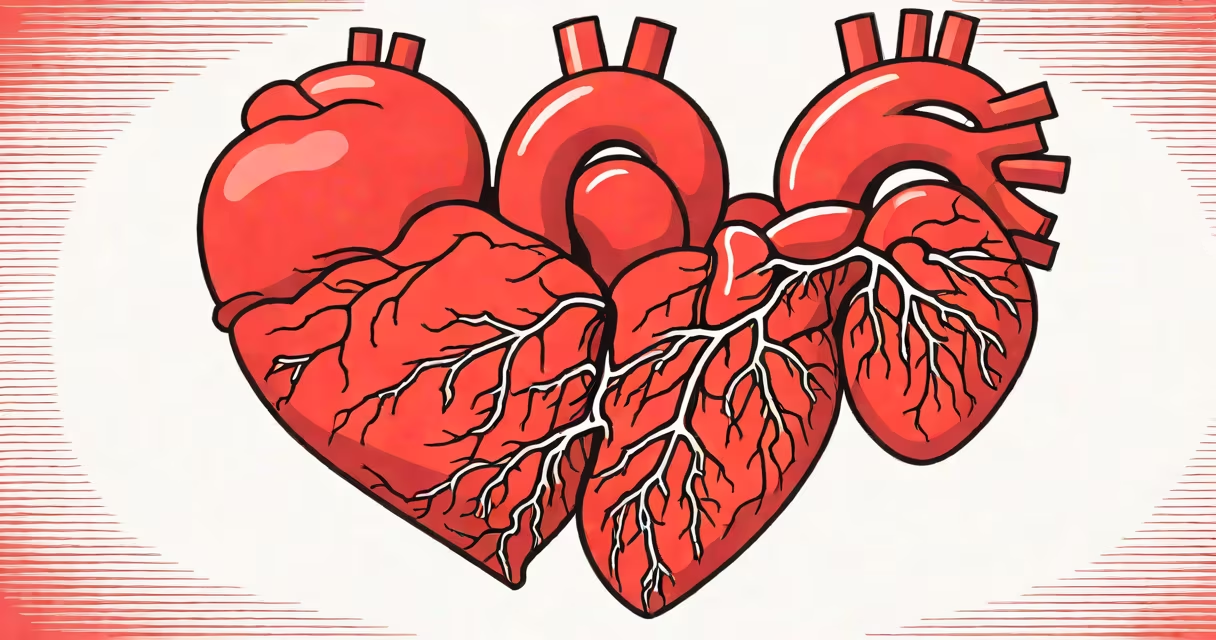
Heart palpitations occur when the heart beats irregularly, too fast, or too hard, often causing a noticeable fluttering or pounding sensation. These sensations can feel alarming but are usually harmless, though they may indicate an underlying condition in some cases.
Palpitations happen due to changes in the heart's electrical system, which controls its rhythm. The heart's natural pacemaker, the sinoatrial node, sends electrical signals to trigger contractions. When these signals are disrupted, the heart can beat out of sync, leading to palpitations.
Palpitations can manifest in several ways:
Palpitations can be triggered by various factors, including stress, caffeine, alcohol, and certain medications. Medical conditions such as anemia, thyroid disorders, and heart disease can also cause palpitations. In some cases, palpitations may be a side effect of prescription or over-the-counter drugs.
For example, a person who consumes excessive amounts of caffeine may experience palpitations due to the stimulant's effect on the heart. Similarly, individuals with anxiety disorders often report palpitations during panic attacks. Understanding the specific triggers can help manage and reduce the frequency of palpitations.
While most palpitations are harmless, they can sometimes indicate a serious underlying condition. Consult a healthcare provider if palpitations are accompanied by chest pain, shortness of breath, dizziness, or fainting. A medical evaluation can determine the cause and appropriate treatment.
For instance, if someone experiences palpitations along with chest pain, it could signal a heart attack or other cardiac issue requiring immediate attention. Regular check-ups and monitoring can help identify potential problems early.
Many people confuse palpitations with other heart-related issues. Unlike heart attacks, which are typically characterized by crushing chest pain, palpitations are more about an irregular or rapid heartbeat., palpitations are not always a sign of a serious condition; they can be caused by benign factors such as dehydration or low blood sugar.
For example, a person might think they are having a heart attack when they experience palpitations after drinking coffee. However, understanding the difference between palpitations and more severe symptoms can prevent unnecessary panic.
Lifestyle changes can help manage palpitations. Reducing caffeine and alcohol intake, managing stress through techniques like meditation or yoga, and maintaining a healthy diet can all contribute to fewer palpitations. Regular exercise and staying hydrated are also beneficial.
For example, someone who suffers from palpitations triggered by stress might find relief through mindfulness practices. Similarly, reducing the intake of stimulants like nicotine can help minimize the occurrence of palpitations.
If lifestyle changes are not enough, medical treatments such as beta-blockers or anti-arrhythmic drugs may be prescribed. In severe cases, procedures like catheter ablation may be necessary to correct the heart's electrical system.