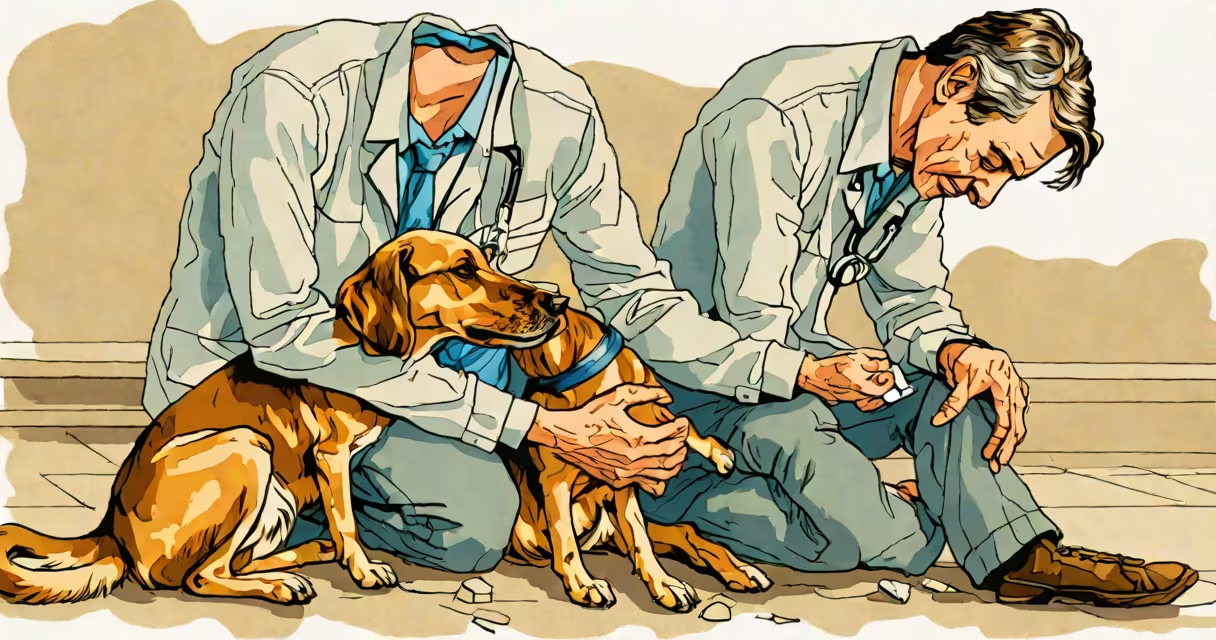
People put dogs down, or euthanize them, to end severe suffering caused by terminal illness, irreversible injury, or extreme behavioral issues. This decision often follows veterinary advice when treatment is no longer viable.
Veterinarians administer a lethal dose of medication, typically pentobarbital, which induces unconsciousness and stops the heart. The process aims to be painless, though owners may witness distressing moments like final breaths or muscle spasms, which are normal reflexes, not signs of suffering.
The most common reasons include:
According to the American Veterinary Medical Association, about 67% of U.S. households own pets, and many face this decision at some point. A 2021 study found that 2.7 million dogs were euthanized in shelters alone, often due to overcrowding rather than health concerns.
Veterinarians assess quality of life using scales like the HHHHHMM system (Hurt, Hunger, Hydration, Hygiene, Happiness, Mobility, More good days than bad). If bad days outnumber good ones, euthanasia may be recommended. Owners should consider their dog's ability to eat, drink, play, and enjoy life.
I once helped a friend evaluate her elderly Labrador's quality of life. Though he still wagged his tail, he couldn't walk without assistance and refused food. The vet confirmed his suffering was irreversible, leading to a peaceful euthanasia.
Many people confuse euthanasia with killing. Euthanasia is performed humanely by professionals, while killing implies harm without consideration for suffering. Another myth is that pets feel fear during the process-proper sedation ensures they don't.
Some believe putting a dog down is selfish, but delaying euthanasia when suffering is inevitable can prolong pain. Ethical veterinarians prioritize the animal's well-being over emotional guilt.
In some cases, palliative care can manage pain without extending life indefinitely. Hospice care focuses on comfort rather than cure, allowing owners more time with their pets. However, these options require significant financial and emotional resources.
For aggressive dogs, behavior modification or rehoming may be explored, but these aren't always safe or feasible. The Humane Society recommends consulting professionals before making decisions.
Owners often grapple with guilt, especially if financial constraints influence the decision. Veterans report that euthanasia is one of the hardest aspects of their job, requiring emotional resilience. Support groups and grief counseling can help families process loss.
Ethically, the goal is to balance the dog's suffering with the owner's attachment. A 2018 study in Veterinary Record found that 85% of owners who chose euthanasia felt relief afterward, confirming they'd made the right choice.