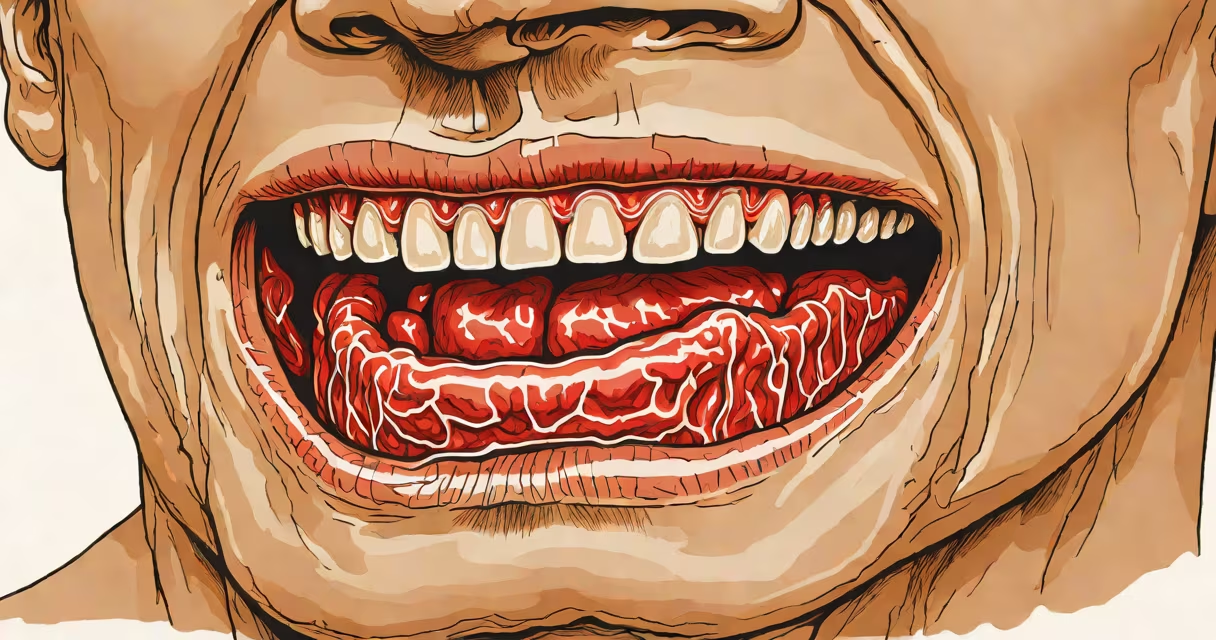
Saliva glands swell due to inflammation, infection, or blockage in the salivary ducts. This condition, called sialadenitis, most often affects the parotid or submandibular glands.
There are three major pairs of salivary glands: parotid (near the ears), submandibular (under the jaw), and sublingual (under the tongue). They produce saliva to moisten food, aid digestion, and protect teeth. Blocked ducts or infections can cause swelling.
The most common causes are:
Swelling may come with pain, dry mouth, or pus discharge. Fever or facial redness suggests infection. Chronic swelling without pain may indicate an autoimmune disorder.
Doctors diagnose swollen glands through physical exams, ultrasound, or blood tests. Treatments include antibiotics for infections, warm compresses for blockages, or surgery for stones. Staying hydrated helps prevent dry-mouth-related swelling.