Pooping is your body's way of removing undigested food and waste products. This process occurs because your digestive system can't absorb or use everything you eat, so it eliminates what remains.
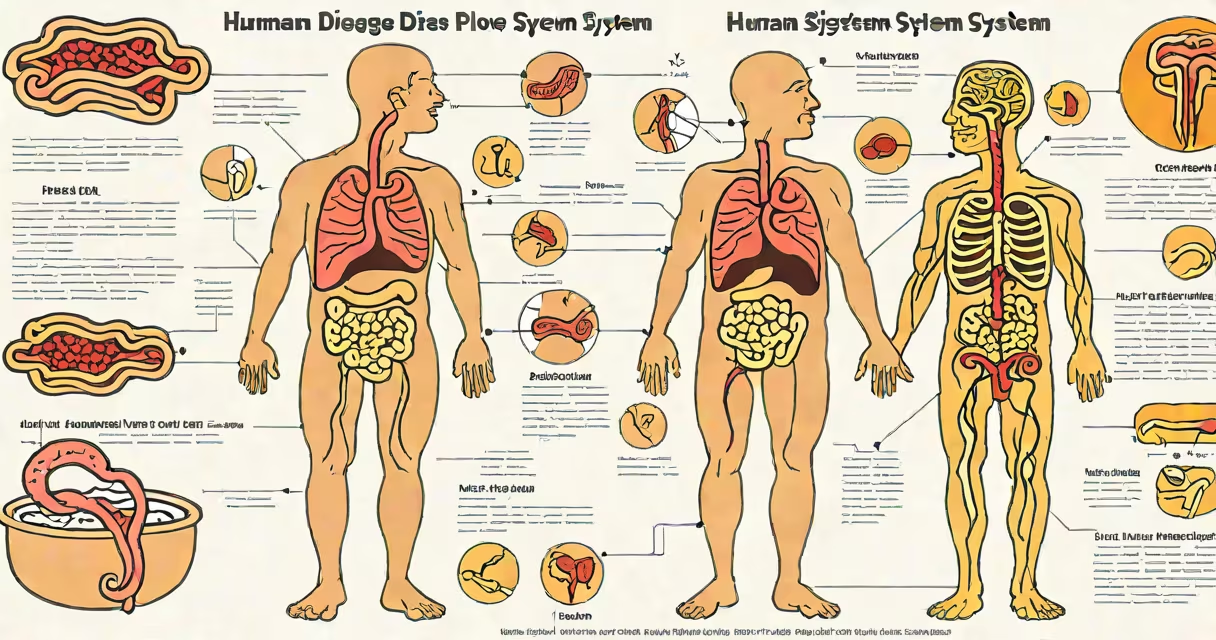
Your digestive system breaks down food into nutrients using enzymes and stomach acid. The small intestine absorbs most nutrients, but some materials remain undigested. These leftovers move into the large intestine, where water is absorbed, and the remaining waste forms stool.
Poop contains several types of waste:
Your body eliminates waste to prevent toxins from building up. If waste stayed inside, harmful substances could re-enter your bloodstream, leading to illness. Regular bowel movements keep your digestive system healthy.
Poop also contains bacteria that help your gut function properly. Removing waste ensures a balance of good and bad bacteria in your intestines.
Some people think poop is just food waste, but it's much more. It includes dead cells, bile, and bacteria. Others believe skipping a bowel movement is harmless, but frequent constipation can lead to discomfort and health issues.
See a doctor if you experience:
Regular bowel movements are a sign of a healthy digestive system. If something feels off, consulting a healthcare professional can help address potential issues early.