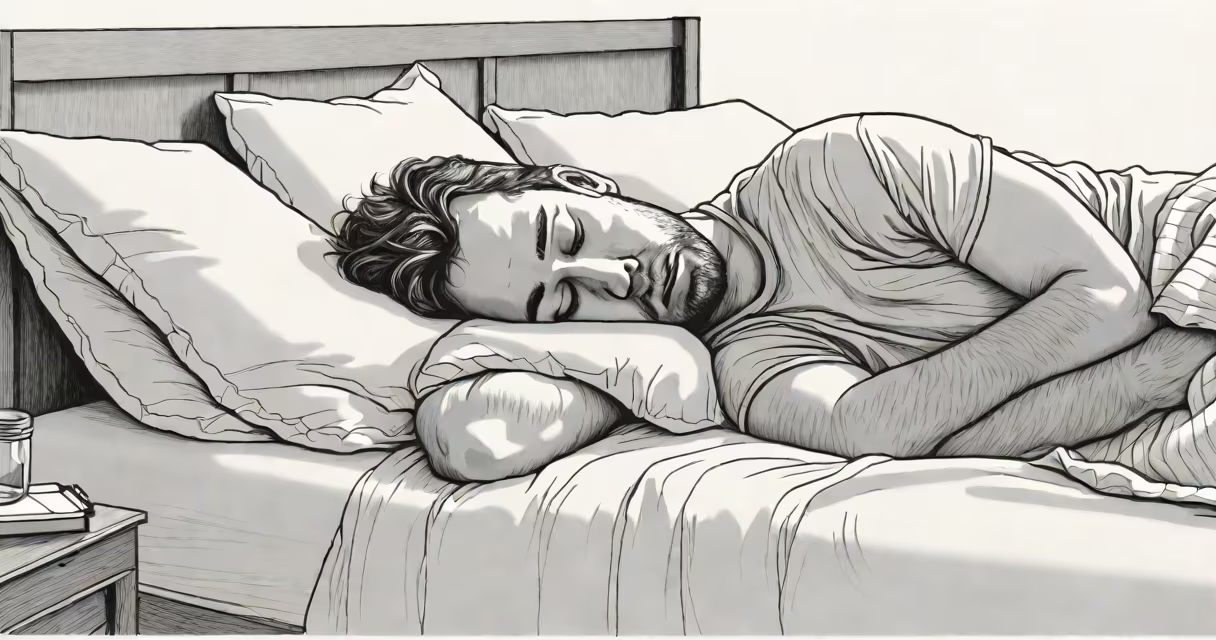
We move during sleep due to natural brain activity and muscle responses throughout sleep cycles, particularly during REM sleep. These movements, ranging from subtle twitches to full-body shifts, play key roles in physical health and cognitive function.
Sleep is divided into stages, including non-REM and REM (rapid eye movement) sleep. During non-REM sleep, the body is generally still, but small adjustments occur to prevent stiffness. REM sleep, which happens about 90 minutes after falling asleep, is when most vivid dreams occur. The brain temporarily paralyzes major muscle groups during this stage, but minor twitches can still happen.
Movements during sleep vary in intensity and purpose. Here are the primary types:
| Type | Description | When It Occurs |
|---|---|---|
| Twitches | Sudden, small muscle contractions | Most common during REM sleep |
| Body shifts | Larger adjustments in posture | Throughout the night, especially between sleep cycles |
| Periodic limb movements | Rhythmic jerks, often in legs | Can happen in any sleep stage |
These movements serve several purposes. Twitches during REM sleep may help the brain rehearse physical actions, while larger shifts prevent bedsores and improve circulation. Research from the National Institute of Neurological Disorders and Stroke suggests that regular movement during sleep contributes to better physical health and cognitive function.
I once tracked my sleep movements using a wearable device. The data showed that I shifted positions about 10 times per night, mostly during lighter sleep stages. This reinforced the idea that movement is a natural part of the sleep cycle, not something to worry about unless it becomes excessive.
Moving in sleep is a normal part of the sleep cycle, driven by brain activity and muscle responses. Understanding these movements can help distinguish between typical sleep behavior and potential issues that may require attention.