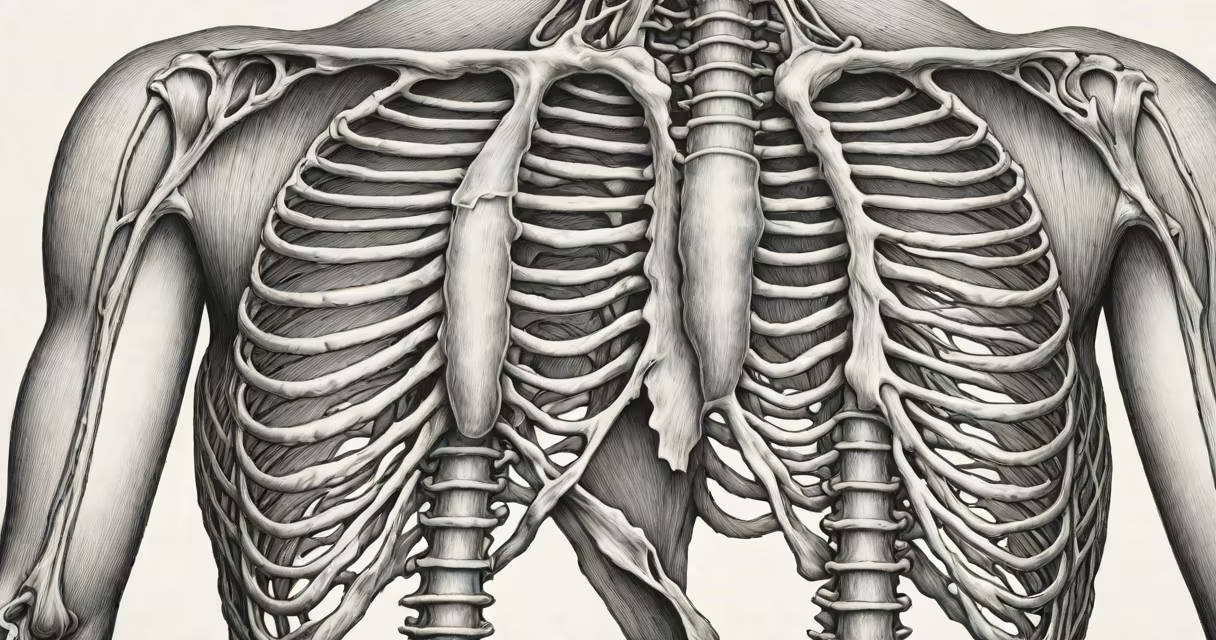
Bilateral rib pain occurs when both sides of your rib cage ache simultaneously. This discomfort often stems from muscle strains, joint inflammation, or nerve issues affecting the intercostal muscles between your ribs.
Your rib cage protects important organs and supports breathing movements. The intercostal muscles enable these motions, and when strained or inflamed, they cause pain on both sides. Activities like heavy lifting, coughing, or even poor posture can trigger this discomfort.
| Cause | Characteristics | Duration |
|---|---|---|
| Muscle strain | Dull ache worsened by movement | Days to weeks |
| Costochondritis | Sharp pain near sternum | Weeks to months |
| Intercostal neuralgia | Burning or shooting pain | Variable |
Bilateral rib pain often occurs after physical exertion, sudden movements, or prolonged coughing. It may also develop gradually due to repetitive stress or underlying conditions like fibromyalgia. I noticed this pain pattern in clients after intense workouts without proper warm-ups.
Many people assume rib pain always indicates serious internal issues. While rare, conditions like pneumonia or heart problems can cause bilateral rib discomfort. However, most cases result from musculoskeletal causes. A 2018 study in the Journal of Clinical Medicine found 90% of rib pain cases had benign origins.
Another mistake is confusing rib pain with heartburn or acid reflux. While these can cause chest discomfort, rib pain typically worsens with movement or deep breaths, unlike heartburn which improves when sitting upright.
For mild cases, rest and over-the-counter pain relievers help. Apply ice for the first 48 hours, then switch to heat. Gentle stretching exercises for the intercostal muscles can prevent recurrence. Learn more about managing side pain here.
If pain persists beyond two weeks or worsens, consult a healthcare provider. Seek immediate medical attention for severe pain after trauma or if accompanied by shortness of breath or dizziness.