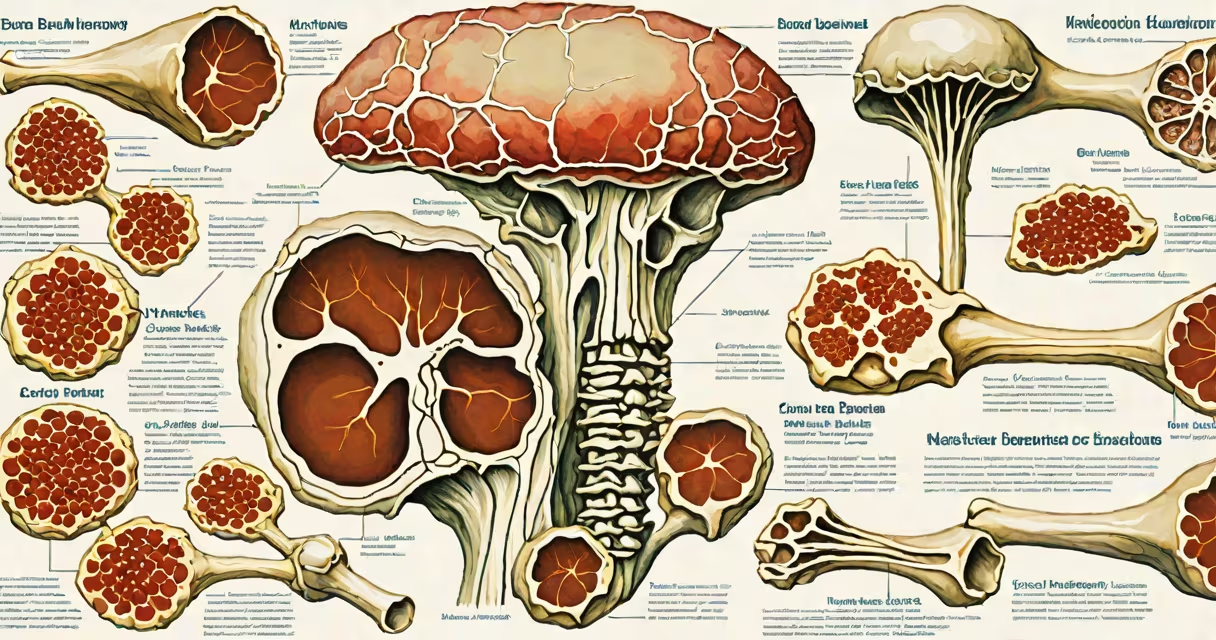
A bone marrow transplant replaces damaged or diseased cells with healthy stem cells, typically treating blood cancers, immune disorders, or severe anemia. Doctors use it when chemotherapy or radiation can't fully eradicate disease.
Bone marrow transplants involve harvesting stem cells from a donor or the patient themselves. These cells travel to the bone marrow and begin producing new, healthy blood cells. The process can take weeks to months for the immune system to recover fully.
| Type | Description | Common Uses |
|---|---|---|
| Autologous | Uses the patient's own stem cells | Multiple myeloma, lymphoma |
| Allogeneic | Uses a matched donor's stem cells | Leukemia, sickle cell anemia |
| Syngeneic | Uses an identical twin's stem cells | Rare, high-risk cancers |
Doctors recommend bone marrow transplants when standard treatments fail or when diseases like leukemia recur. For example, acute myeloid leukemia patients often undergo transplants to prevent relapse. Severe aplastic anemia, where the bone marrow stops producing enough blood cells, also requires transplants.
According to the National Cancer Institute, transplants are most effective when performed early in treatment. Delaying can reduce success rates.
Many people confuse bone marrow transplants with organ transplants. Unlike organs, bone marrow regenerates continuously. Another myth is that only young people qualify for transplants. In reality, age isn't always a limiting factor- health matters more.
I once spoke with a patient who assumed transplants were always painful. While side effects exist, modern techniques minimize discomfort. Most donors recover within days.
Before a transplant, patients undergo conditioning with chemotherapy or radiation to destroy diseased cells. This step is important for success but can cause side effects like nausea or fatigue. Supportive care, including medications and hydration, helps manage these effects.