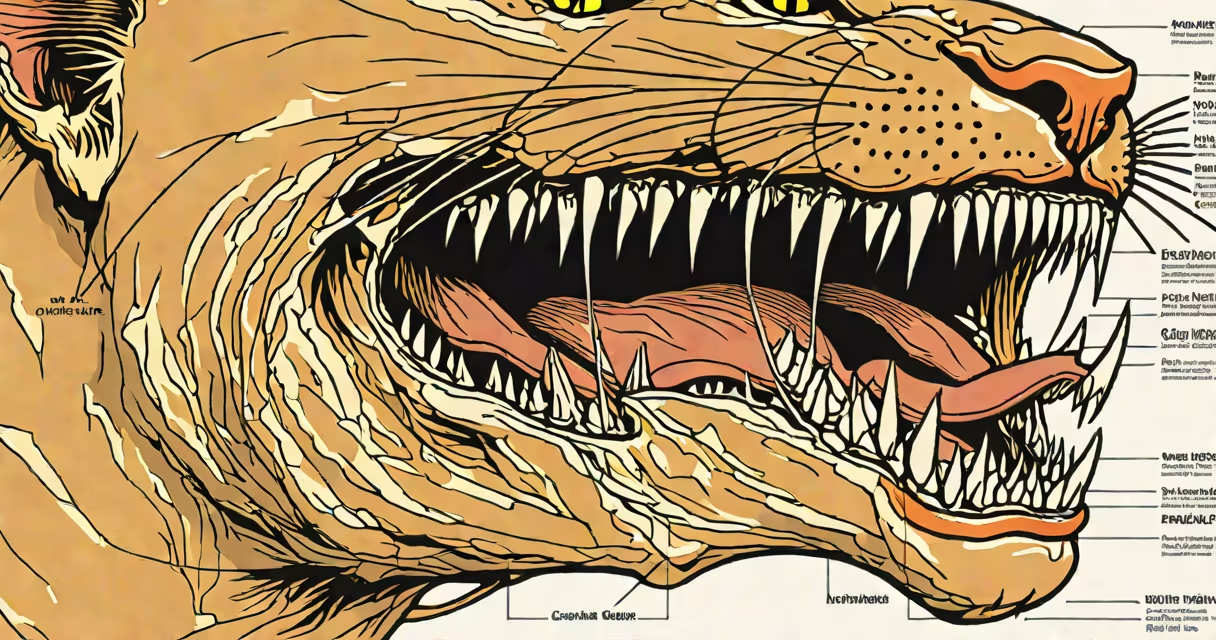
Cat breath often smells like fish because of their carnivorous diet and the enzymes in their saliva breaking down proteins. This is usually normal, but persistent foul odors may indicate dental issues.
Cats are obligate carnivores, meaning their bodies are designed to digest meat efficiently. Their saliva contains enzymes like proteases that start breaking down proteins from meat even before food reaches the stomach. This process releases volatile sulfur compounds, which contribute to that characteristic fishy smell.
The primary reasons for fishy-smelling cat breath include:
While mild fishy breath is normal, extremely foul or sudden changes in odor may indicate health problems. Conditions like kidney disease, diabetes, or oral infections can cause unusually bad breath. If your cat's breath smells worse than usual, consult a veterinarian.
I noticed my own cat's breath had a stronger-than-usual odor after switching to a new brand of wet food. A quick vet visit confirmed it was just the high fish content in the new food, but it's always good to rule out health concerns.
Many people assume that bad breath in cats is always a sign of illness. While it can be, it's often just a result of their natural diet and digestion. Another misconception is that brushing a cat's teeth will eliminate the smell entirely-while it helps, some odor is inevitable due to their carnivorous nature.
To keep your cat's breath as fresh as possible, consider these steps: