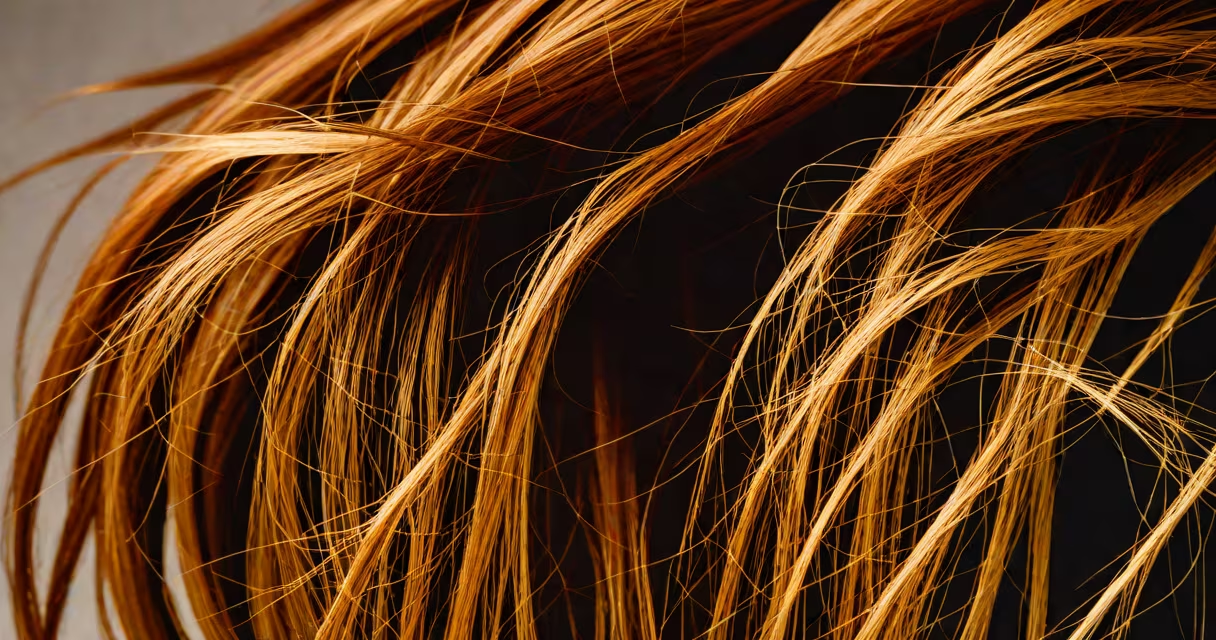
Hair separates due to damage to the protein structure of the hair shaft, typically caused by heat styling, chemical treatments, or mechanical stress. This condition, known as trichoptilosis or split ends, occurs when the protective outer layer of the hair (cuticle) wears away, exposing the inner cortex.
The hair shaft is composed of three layers: the medulla (inner core), cortex (middle layer providing strength and color), and cuticle (outer protective layer). When the cuticle is damaged, the cortex becomes exposed and prone to splitting. This process often begins at the ends of the hair and works its way up the strand if left untreated.
Several factors contribute to hair separation:
Many people believe that hair separation is purely cosmetic, but it actually indicates underlying damage. Another myth is that trimming hair makes it grow faster - in reality, trimming only removes existing damage. The rate of hair growth is determined by your genetics and health, not by how often you cut your hair.
I once had a client who was convinced her hair separation was genetic. After evaluating her hair care routine, we discovered her daily flat iron use was the real culprit. Switching to heat-free styling methods dramatically improved her hair health within three months.
If hair separation persists despite proper care, consult a dermatologist or trichologist. They can identify underlying conditions like thyroid disorders or nutrient deficiencies that may contribute to hair damage. Professional analysis can determine whether your hair needs structural repair treatments or if systemic issues require addressing.