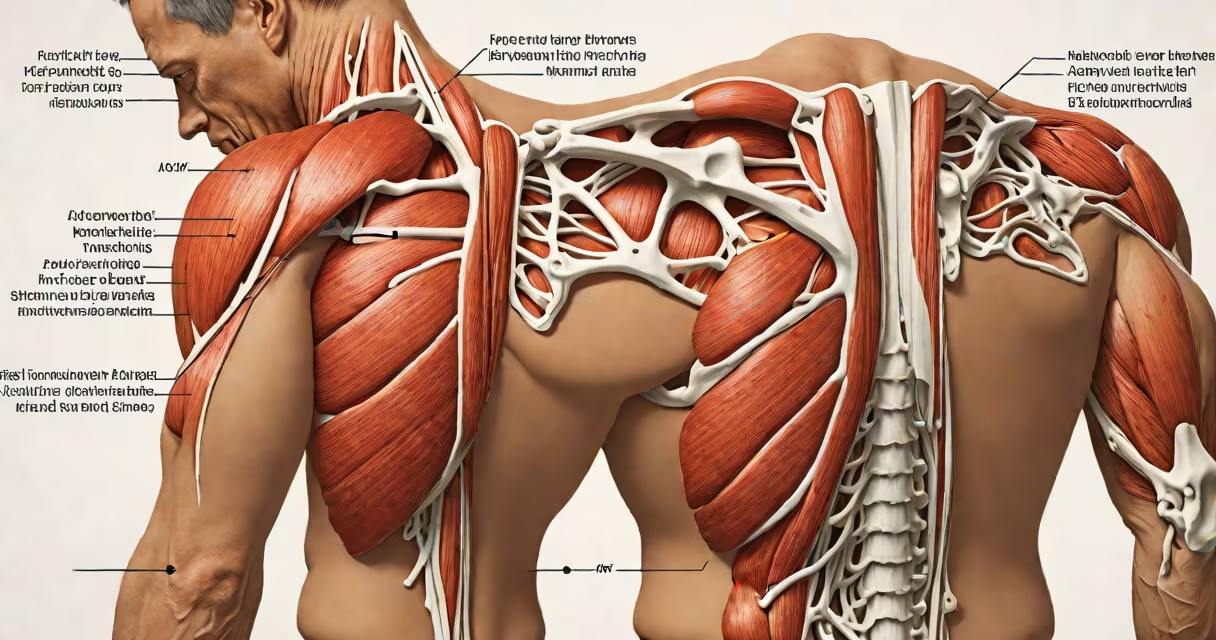
The infraspinatus is a small triangular muscle on your upper back that rotates your arm and stabilizes your shoulder joint. Pain here typically results from overuse, injury, or poor posture.
The infraspinatus originates from the infraspinous fossa of the scapula and inserts on the greater tubercle of the humerus. It externally rotates the arm at the shoulder joint and helps stabilize the shoulder during movement. When injured, this muscle can cause significant pain and limit your range of motion.
Infraspinatus pain most commonly results from:
Infraspinatus pain typically presents as:
Many people confuse infraspinatus pain with other shoulder issues. Unlike general shoulder pain, infraspinatus discomfort often worsens with specific arm movements and improves with rest.
Most infraspinatus injuries heal with conservative treatment:
| Treatment Type | Description | Duration |
|---|---|---|
| Rest | Avoid activities that aggravate the pain | 2-4 weeks |
| Ice | Apply ice packs for 15 minutes every few hours | First 48-72 hours |
| Stretching | Gentle stretches to improve flexibility | Ongoing |
| Strengthening | Exercises to rebuild muscle strength | 4-6 weeks |
For persistent cases, physical therapy or medical intervention may be needed. A physical therapist can design a program to strengthen the infraspinatus and surrounding muscles, improving shoulder stability and preventing future injuries.
To keep your infraspinatus healthy:
One effective exercise for infraspinatus strengthening is the external rotation with a resistance band. Stand with your elbow bent at 90 degrees and your forearm against your side. Hold a resistance band with your hand and rotate your forearm outward against the band's resistance, then slowly return to the starting position.
If your infraspinatus pain persists despite these treatments, consult a healthcare professional for a thorough evaluation. They can determine if you have a more serious injury, such as a rotator cuff tear, that requires specialized treatment.