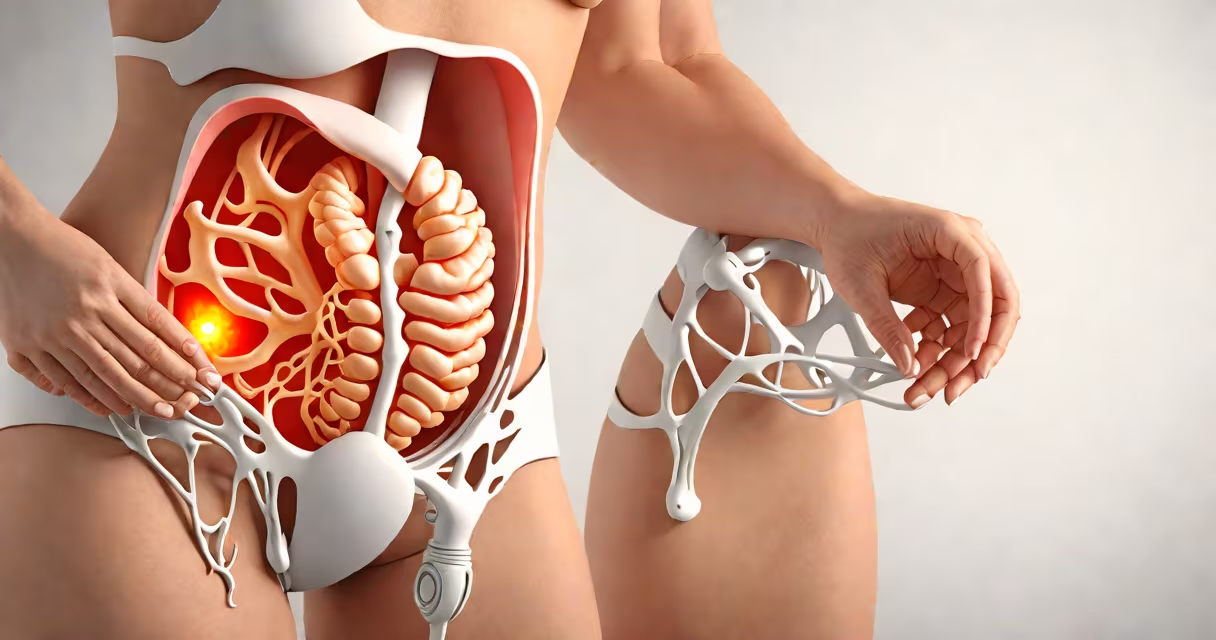
Stomach pain during your period happens because hormonal changes trigger uterine contractions to shed the uterine lining. These contractions reduce blood flow to the uterus, causing cramping pain. For most people, this is normal, but severe or unusual pain may indicate other conditions.
During menstruation, your uterus contracts to expel its lining. This process reduces blood flow to the uterine tissue, which can cause pain. The severity varies: some experience mild discomfort, while others have intense pain. Prostaglandins, hormone-like compounds released during menstruation, intensify uterine contractions and contribute to cramping.
| Type | Characteristics | Duration |
|---|---|---|
| Primary Dysmenorrhea | Common menstrual cramps unrelated to underlying conditions | 1-3 days |
| Secondary Dysmenorrhea | Pain caused by conditions like endometriosis or fibroids | Throughout period or longer |
Many assume all period pain is normal. While mild cramps are typical, severe pain often signals an underlying issue. Another myth is that pain always worsens with age, but this depends on individual health factors. Hormonal birth control can reduce pain for some but increase it for others due to changes in prostaglandin levels.
Over-the-counter pain relievers like ibuprofen or naproxen can help by reducing prostaglandin production. Heat therapy, such as a heating pad, relaxes uterine muscles. Gentle exercise, hydration, and avoiding caffeine and salt may also alleviate discomfort. Some find relief through dietary changes, such as increasing calcium and magnesium intake.
I've found that applying heat to my lower abdomen reduces cramping. A warm bath or shower can also provide relief by relaxing tense muscles. Keeping a pain journal to track symptoms and triggers can help identify patterns and effective treatments.