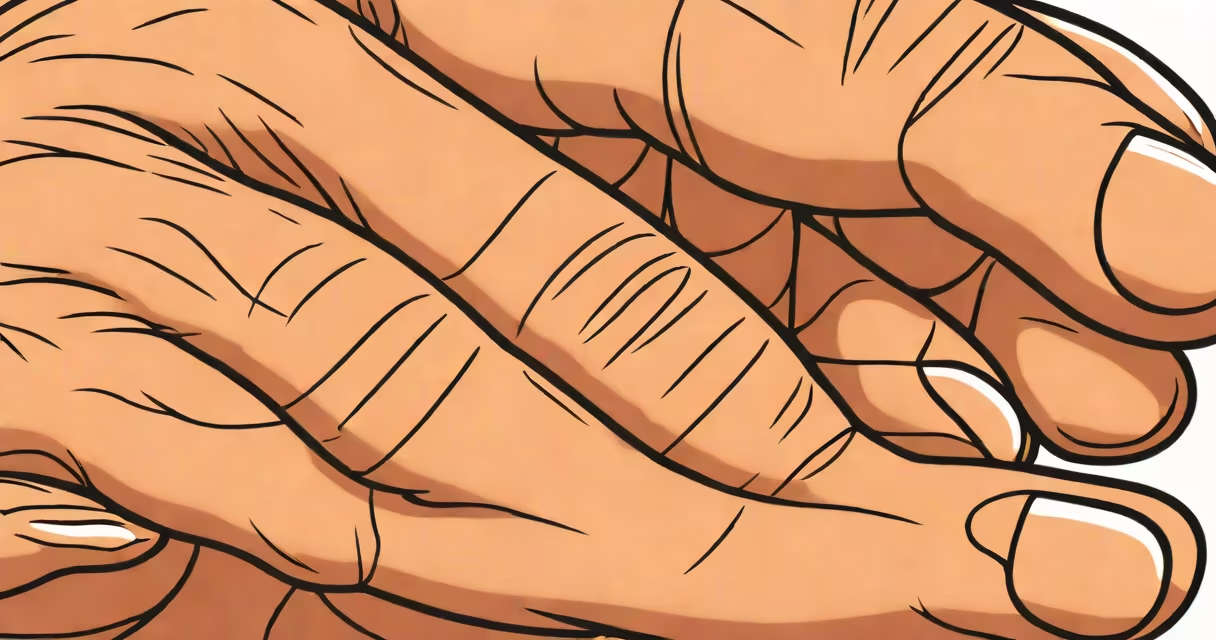
Your thumb keeps cracking due to dry skin, environmental factors, or excessive friction. This common condition often results from a lack of moisture in the skin's outer layer, making it prone to splitting.
How skin cracking occurs
The outermost layer of your skin, called the stratum corneum, contains natural oils and lipids that keep it supple. When these oils are depleted, the skin becomes dry and loses its flexibility. Simple actions like rubbing your hands together or gripping objects can then cause tiny fissures to form, especially in areas subjected to frequent use and pressure, such as thumbs.
Main causes of thumb cracking
Several factors contribute to thumb cracking:
Dry skin: Cold weather, low humidity, and excessive hand washing strip the skin of its natural oils.
Environmental exposure: Harsh chemicals, frequent contact with water, or prolonged sun exposure can exacerbate dryness.
Medical conditions: Conditions like eczema, psoriasis, or diabetes can increase susceptibility to dry, cracked skin.
Frequent friction: Activities that involve repetitive hand movements, such as typing or manual labor, can lead to cracking.
Preventing thumb cracking
To keep your thumbs moisturized and crack-free, follow these steps:
Moisturize regularly: Apply a thick, fragrance-free moisturizer or ointment, such as petroleum jelly or shea butter, several times a day. Look for products containing ceramides or hyaluronic acid to help restore the skin barrier.
Use gloves: Wear cotton-lined rubber gloves when doing dishes or cleaning to protect your hands from harsh chemicals and excessive water exposure.
Avoid hot water: Wash your hands in lukewarm water rather than hot, as hot water can further dry out the skin.
Stay hydrated: Drink plenty of water to maintain skin hydration.
When to see a doctor
If your thumb cracking persists despite home care, or if it becomes painful, bleeds, or shows signs of infection (such as redness, swelling, or pus), consult a healthcare professional. A dermatologist can recommend medical treatments, such as prescription creams or oral medications, to address underlying skin conditions.