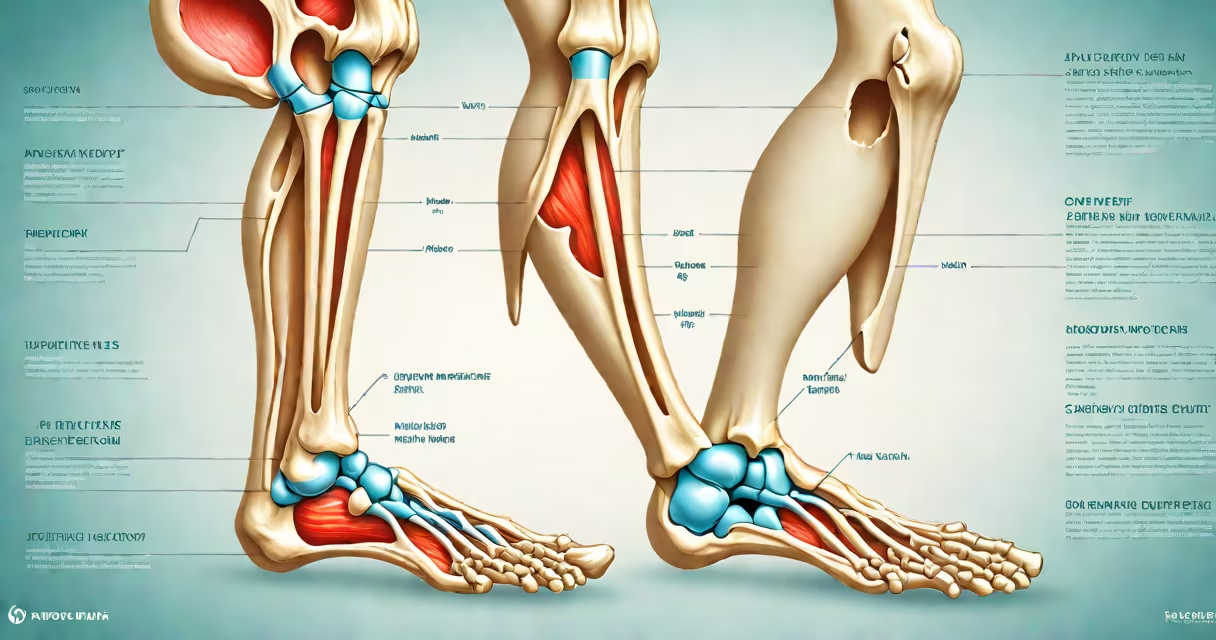
The tibia, or shinbone, is the larger of the two bones in your lower leg. Pain in this area often results from overuse, trauma, or underlying conditions. Understanding the specific cause helps determine appropriate treatment.
Tibia pain arises from various sources, ranging from minor injuries to serious medical conditions. The most frequent causes include:
Pain signals travel from the affected area to your brain through nerves. Acute pain from trauma occurs suddenly, while chronic pain develops over time due to repetitive strain or underlying conditions. For example, shin splints cause dull, aching pain along the inner edge of the tibia, worsening during physical activity.
| Type | Cause | Symptoms |
|---|---|---|
| Stress fracture | Repetitive impact | Dull, localized pain that worsens with activity |
| Shin splints | Overuse or improper footwear | Aching pain along the inner tibia |
| Compartment syndrome | Increased muscle pressure | Sharp pain, swelling, and numbness |
| Bone tumor | Abnormal cell growth | Persistent pain, swelling, and weakness |
Consult a healthcare provider if tibia pain persists for more than a few days, worsens, or is accompanied by swelling, redness, or warmth. A doctor may recommend imaging tests like X-rays or MRIs to diagnose the underlying cause. For instance, a stress fracture might require a period of rest and immobilization to heal properly.
I once experienced persistent shin pain after increasing my running distance too quickly. Resting and adjusting my training schedule resolved the issue. However, if the pain had persisted or worsened, I would have sought medical advice to rule out more serious conditions.
Many people assume tibia pain is always due to overuse. While overuse is a common cause, other factors like poor circulation, nerve issues, or infections can also contribute. For example, compartment syndrome can develop from both overuse and trauma, leading to severe pain and potential muscle damage if untreated.
According to the American Academy of Orthopaedic Surgeons, stress fractures account for nearly 10% of all running-related injuries. Proper warm-up routines, gradual increases in exercise intensity, and wearing supportive footwear can help prevent these injuries.
Treatment depends on the underlying cause. Rest, ice, compression, and elevation (RICE) often help with mild cases. More severe conditions may require physical therapy, medication, or surgery. For example, shin splints might improve with rest and anti-inflammatory medications, while a stress fracture may need a walking boot or crutches for several weeks.
To prevent tibia pain, maintain proper form during physical activities, wear appropriate footwear, and gradually increase exercise intensity. Strengthening exercises for the lower legs and core can also reduce the risk of overuse injuries. For example, calf raises and toe walks can strengthen the muscles supporting the tibia.
Understanding why your tibia hurts is the first step toward effective treatment and prevention. Addressing the underlying cause promptly can help avoid long-term complications and keep you active and pain-free.