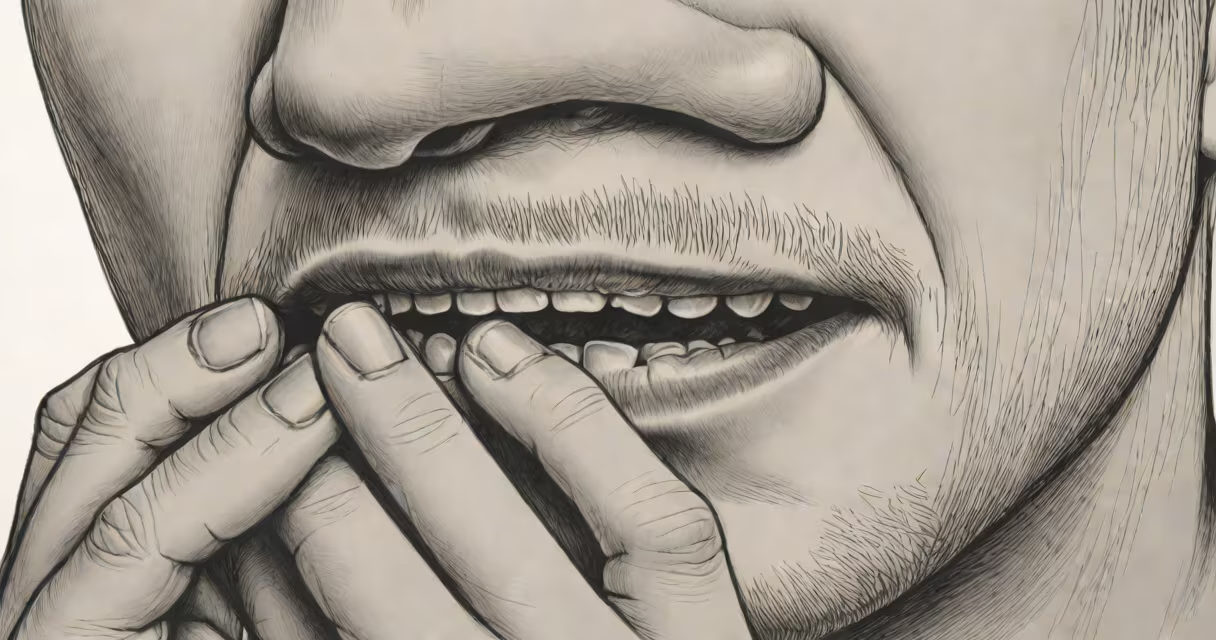
Tooth pain occurs when the nerve inside your tooth is irritated or damaged. This can happen due to decay, infection, trauma, or other dental issues. The pain may be sharp, throbbing, or constant, and it often worsens with pressure or temperature changes.
The inner part of your tooth, called the pulp, contains nerves and blood vessels. When bacteria, injury, or other factors irritate this area, inflammation occurs, putting pressure on the nerves and causing pain. The pain may radiate to your jaw, ear, or head, making it difficult to pinpoint the exact source.
| Type | Cause | Characteristics |
|---|---|---|
| Dental caries (cavities) | Bacterial decay | Sharp pain when eating sweet, hot, or cold foods |
| Tooth abscess | Bacterial infection | Throbbing pain, swelling, fever |
| Cracked tooth | Trauma or grinding | Sudden pain when chewing, releasing when pressure is removed |
| Tooth sensitivity | Exposed dentin | Sharp pain with hot, cold, or sweet stimuli |
| Pulpitis | Inflammation of the pulp | Constant dull pain or throbbing |
Severe tooth pain may indicate a dental emergency. According to the American Dental Association, you should see a dentist immediately if you experience:
These symptoms may indicate an infection that requires immediate treatment, such as a root canal or extraction.
Many people assume that tooth pain always results from cavities. However, other factors can contribute, including:
For example, sinus infections can cause referred pain to your upper teeth due to shared nerve pathways. This is why some people experience tooth pain during a sinus infection, even if their teeth are healthy.
If you have severe tooth pain and cannot see a dentist immediately, try these temporary solutions:
These methods may provide temporary relief but do not address the underlying issue. Always see a dentist for persistent or severe pain.