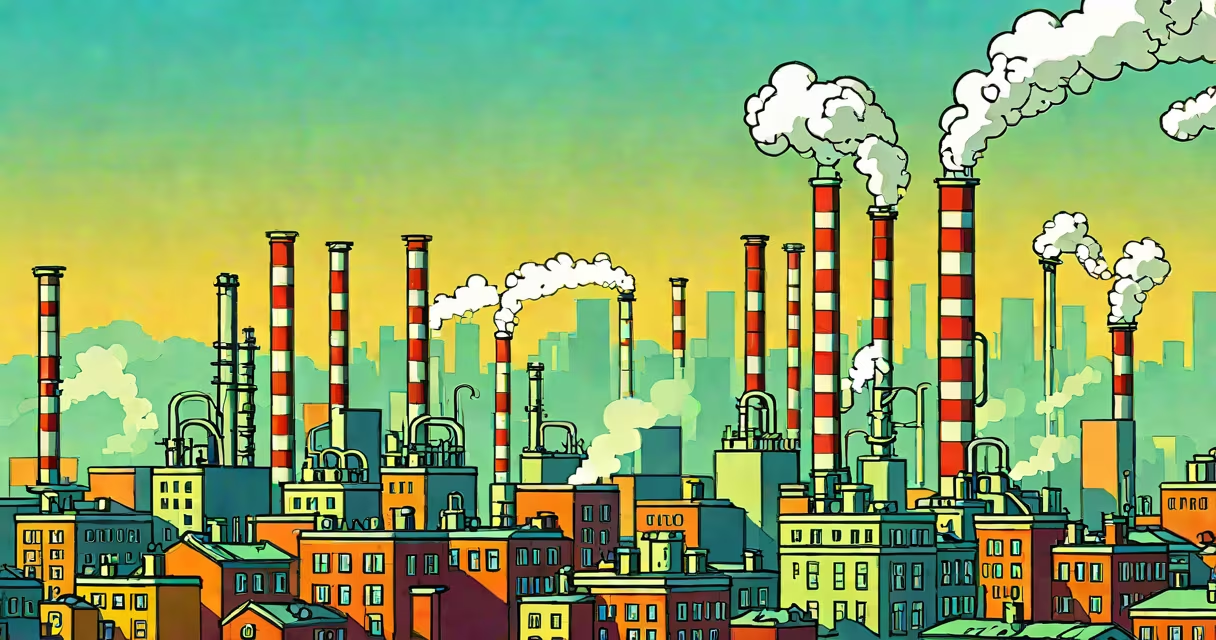
Pollution matters because it harms human health, damages ecosystems, and contributes to climate change. These impacts affect daily life through increased healthcare costs, reduced productivity, and degraded natural resources.
Pollution causes respiratory diseases, heart conditions, and cancer. The World Health Organization estimates that ambient air pollution alone causes 4.2 million deaths per year due to stroke, heart disease, lung cancer, and chronic respiratory diseases.
For example, fine particulate matter (PM2.5) penetrates deep into the lungs and enters the bloodstream, increasing the risk of cardiovascular problems. A study published in Environmental Research found that long-term exposure to PM2.5 reduces life expectancy by an average of six months globally.
Pollution comes in different forms, each with unique consequences. The three main types are:
| Type | Sources | Key Effects |
|---|---|---|
| Air pollution | Vehicle emissions, industrial activities, wildfires | Respiratory illnesses, smog, acid rain |
| Water pollution | Sewage, agricultural runoff, industrial waste | Contaminated drinking water, harm to aquatic life |
| Soil pollution | Pesticides, industrial chemicals, landfills | Reduced agricultural productivity, food contamination |
Certain pollutants, like black carbon and methane, are short-lived climate pollutants that contribute to global warming. The International Panel on Climate Change reports that reducing these pollutants can slow warming by up to 0.5°C by 2050.
For instance, methane, a potent greenhouse gas, is released during fossil fuel extraction and livestock farming. Reducing methane emissions is a critical step in mitigating climate change.
Many people believe pollution is only an environmental issue, but it also has severe economic and social repercussions. For example, pollution-related healthcare costs in the U.S. exceed $150 billion annually, according to the American Lung Association.
Another misconception is that pollution only affects industrial areas. In reality, pollutants travel long distances through air currents and waterways, impacting even remote regions. For example, microplastics have been found in Arctic ice and the deepest parts of the ocean.
Pollution imposes significant financial burdens on societies. The World Bank estimates that pollution-related costs amount to 8-9% of GDP in high-income countries and up to 20% in low-income countries.
For example, air pollution reduces worker productivity by increasing sick days and lowering cognitive function. A study by the World Health Organization found that air pollution reduces IQ scores in children by an average of 6.6 points.
Understanding why pollution matters is the first step toward taking action to reduce its impact. By addressing pollution at its source, we can protect health, preserve ecosystems, and mitigate climate change.