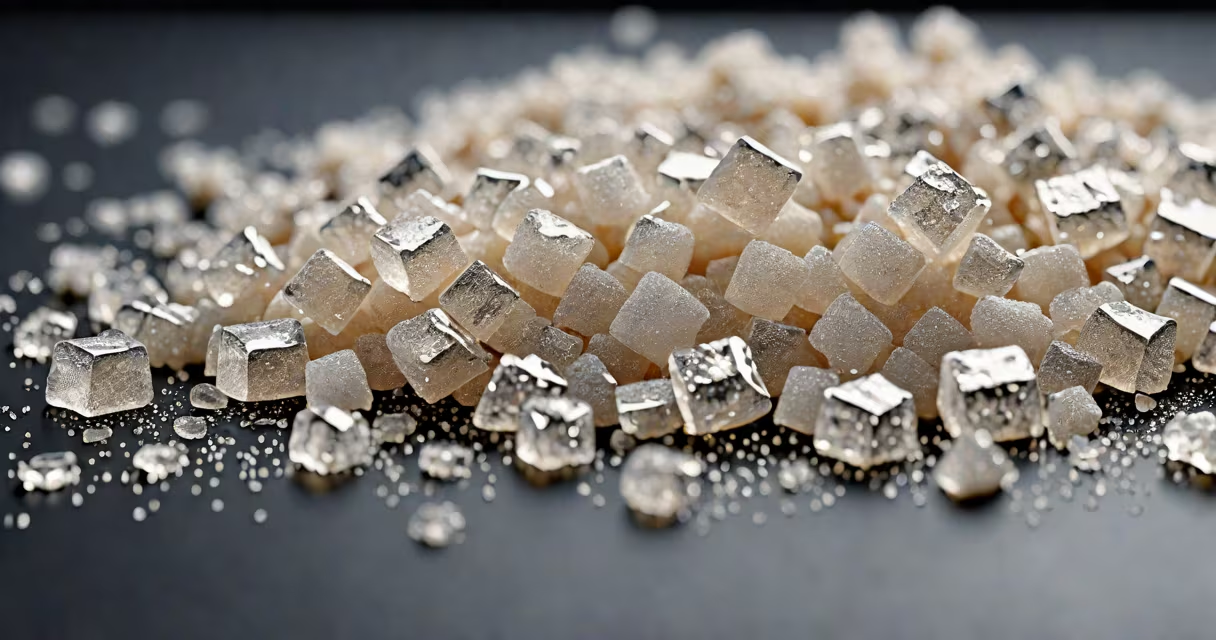
Sugar hurts your stomach because it draws water into your intestines through osmosis, irritating the lining and causing cramps, bloating, or diarrhea. This happens most often with high-fructose corn syrup and artificial sweeteners.
When you consume sugar, especially in large amounts, your small intestine absorbs it quickly. However, some sugars like fructose require more effort to absorb. Unabsorbed sugar pulls water into your intestines, increasing pressure and stretching the intestinal walls. This triggers nerves that signal pain to your brain.
| Sugar Type | Common Sources | Likelihood of Causing Pain |
|---|---|---|
| Sucrose (table sugar) | Candy, baked goods, sodas | Low to medium |
| High-fructose corn syrup | Processed foods, soft drinks | High |
| Fructose | Fruits, honey | Medium |
| Artificial sweeteners (sorbitol, mannitol, xylitol) | Sugar-free products, gum, mints | Very high |
Many people assume that only refined sugars cause stomach pain. However, natural sugars like those in fruits can also trigger discomfort, especially if consumed in excess., artificial sweeteners are often considered safe, but they can be more problematic than natural sugars for some individuals.
If you experience stomach pain after consuming sugar, try reducing your intake of high-fructose corn syrup and artificial sweeteners. Opt for whole fruits instead of processed sugars. If symptoms persist, consider consulting a healthcare provider to rule out conditions like irritable bowel syndrome (IBS) or sugar intolerance.
I once had a client who frequently experienced stomach pain after drinking sodas. After switching to water and reducing their sugar intake, their symptoms improved. This highlights the importance of being mindful of sugar consumption.