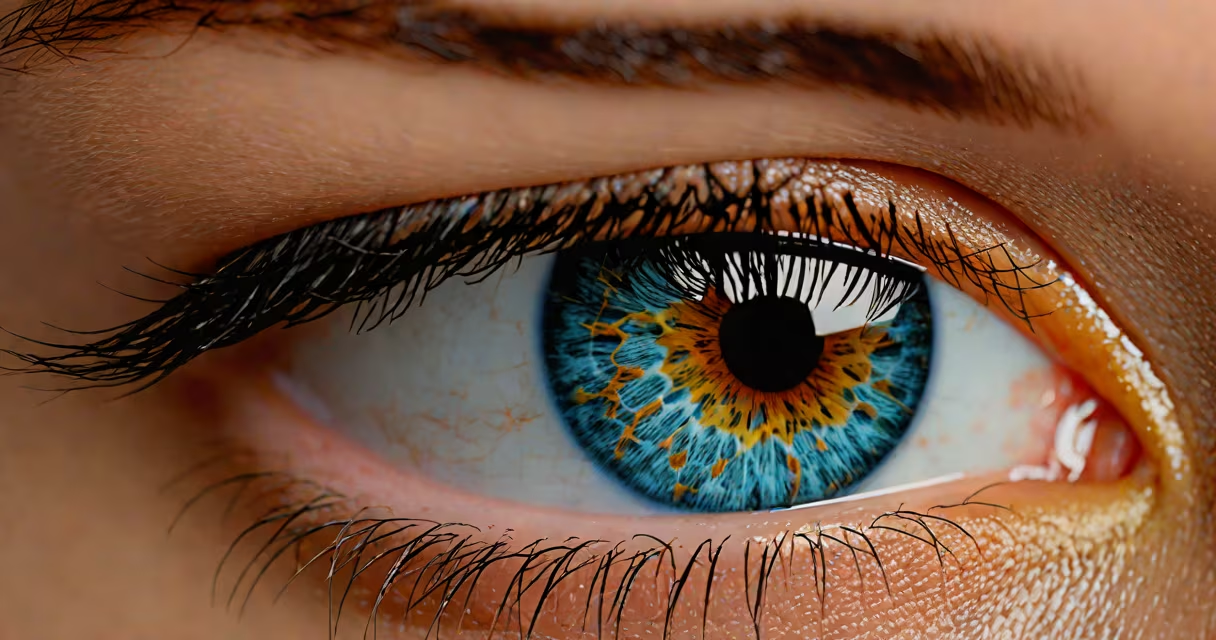
Eye twitching occurs when the muscles around your eye contract involuntarily, often due to stress, fatigue, or caffeine. Most cases are harmless and resolve on their own, but persistent twitching may indicate an underlying condition.
Eye twitching, or myokymia, happens when the orbicularis oculi muscle-located around the eye-contracts repeatedly. These contractions are usually minor and temporary, but they can be noticeable and bothersome. The twitching often affects the lower eyelid but can occur in other parts of the eye as well.
| Type | Duration | Cause |
|---|---|---|
| Minor eyelid twitch | Seconds to minutes | Stress, fatigue, caffeine |
| Benign essential blepharospasm | Hours to days | Unknown, possibly genetic |
| Hemifacial spasm | Persistent | Nerve irritation or compression |
Most eye twitches are caused by lifestyle factors such as stress, lack of sleep, or excessive caffeine consumption. For example, drinking too much coffee can trigger muscle spasms due to its stimulant properties. Other common triggers include eye strain from prolonged screen use, smoking, and alcohol consumption.
In rare cases, eye twitching can be a symptom of a neurological disorder, such as blepharospasm or dry eye syndrome. If the twitching persists for more than a few days or is accompanied by other symptoms like redness, swelling, or vision problems, it's important to consult a healthcare professional.
While most eye twitches are harmless, persistent or severe twitching may require medical attention. According to the American Academy of Ophthalmology, if the twitching lasts longer than a week or is accompanied by drooping eyelids, vision changes, or headaches, you should seek medical advice. A doctor can rule out underlying conditions such as dry eye syndrome or neurological disorders.
I once experienced persistent eye twitching after a particularly stressful workweek. The twitching lasted for about three days and was accompanied by mild discomfort. After reducing my caffeine intake and getting more sleep, the twitching subsided. However, if the symptoms had persisted, I would have consulted a doctor to ensure there were no underlying issues.
To reduce the likelihood of eye twitching, it's helpful to manage stress levels, get enough sleep, and limit caffeine and alcohol consumption. Taking regular breaks from screens and using artificial tears can also help prevent eye strain, which is a common trigger for twitching. If lifestyle changes don't help, a doctor may recommend treatments such as Botox injections or medication for more severe cases.
For more detailed information on why your eye might be twitching, including specific conditions and treatments, visit our guide on eye twitching causes. If you're experiencing daily eye twitching, learn more about managing it here., if you notice earache alongside eye twitching, read about the possible connections here.