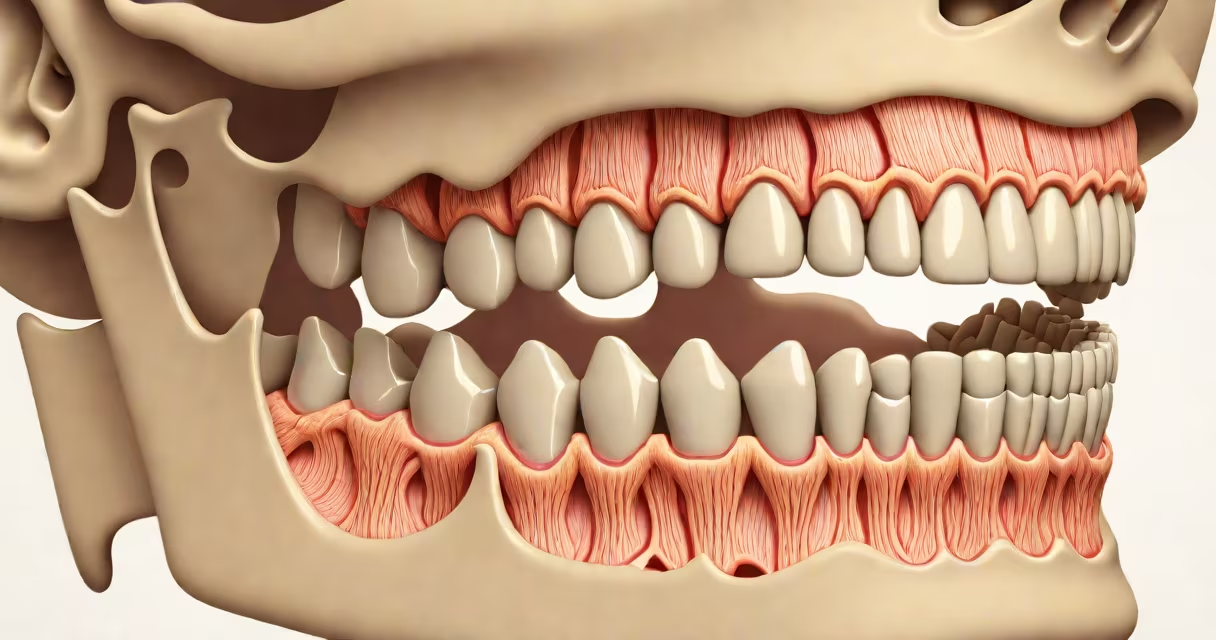
The inside of your jaw hurts due to inflammation, injury, or nerve issues affecting muscles, bones, or glands in that area. Common causes include teeth grinding, infections, or temporomandibular joint (TMJ) disorders.
Your jaw consists of two main bones connected by joints called temporomandibular joints (TMJs). These joints allow movement for speaking, chewing, and swallowing. The inner jaw contains muscles, blood vessels, nerves, and salivary glands. When any of these components become irritated or damaged, pain results.
Inner jaw pain stems from several potential sources:
Consult a healthcare provider if pain persists beyond two weeks, worsens suddenly, or occurs with other symptoms like fever, swelling, or numbness. A dentist or ENT specialist can diagnose the specific cause through examination and imaging tests.
I once experienced persistent inner jaw pain that turned out to be related to a sinus infection. After visiting an ear, nose, and throat specialist, antibiotics resolved both the sinus issue and the referred jaw pain within days.
Treatment depends on the underlying cause:
| Cause | Treatment |
|---|---|
| Bruxism | Mouth guards, stress management, physical therapy |
| TMJ disorder | Jaw exercises, anti-inflammatory medications, surgery in severe cases |
| Tooth abscess | Root canal treatment or tooth extraction |
| Sinus infection | Antibiotics, decongestants, saline rinses |
To reduce risk of inner jaw pain: