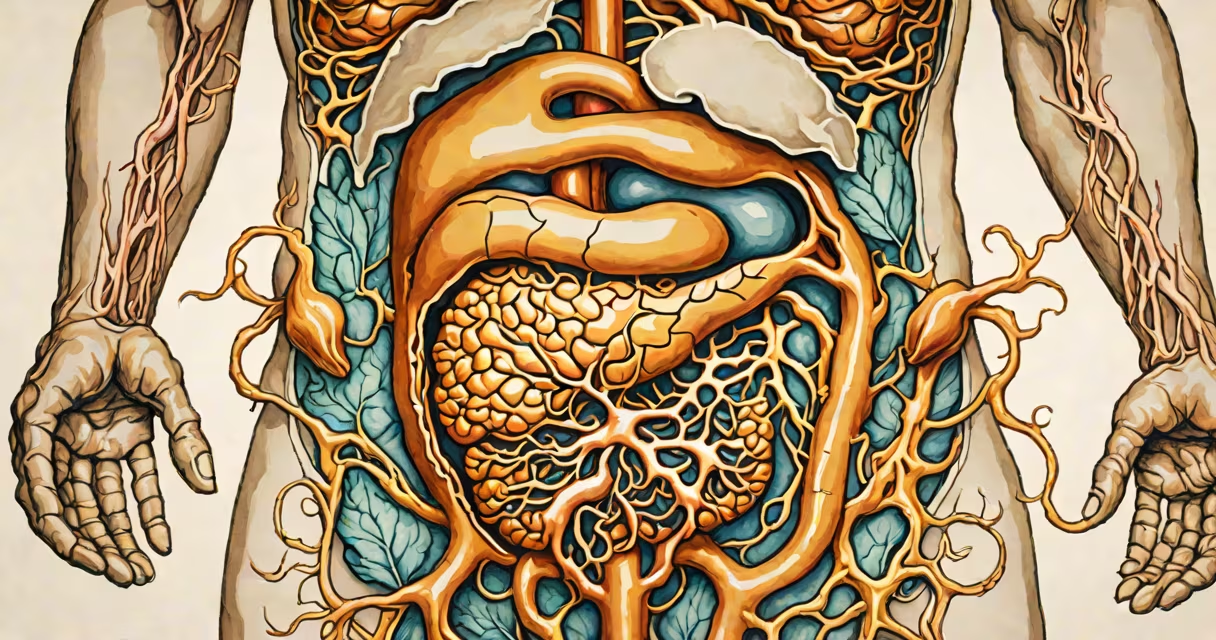
Lower abdominal bloating occurs when the intestines fill with gas or fluid, causing swelling and discomfort. This common issue often results from dietary choices, digestive disorders, or hormonal changes.
Bloating occurs when the digestive system produces excess gas or doesn't efficiently move waste through the intestines. This buildup creates pressure against the abdominal wall, causing swelling and tightness. Unlike general weight gain, bloating typically comes and goes within hours or days.
Several factors contribute to lower abdominal bloating:
Persistent bloating accompanied by severe pain, vomiting, or unexplained weight loss may indicate serious conditions like pancreatitis or ovarian cysts. According to the Mayo Clinic, bloating that lasts more than two weeks warrants medical evaluation.
Many people assume bloating is always caused by overeating or eating too quickly. While these factors contribute, they're not the only causes. Some medications, including antibiotics and opioids, can also slow digestion and increase bloating risk.
I once experienced persistent bloating after a course of antibiotics. The medication disrupted my gut bacteria balance, leading to increased gas production. Probiotics helped restore normal digestion within a few weeks.
To alleviate bloating, try these evidence-based approaches:
| Strategy | How It Helps |
|---|---|
| Drink peppermint tea | Relaxes digestive muscles and reduces gas |
| Take probiotics | Restores healthy gut bacteria balance |
| Eat ginger | Promotes stomach emptying and reduces nausea |
| Walk after meals | Stimulates digestion and reduces gas buildup |
For chronic bloating, consider keeping a food diary to identify specific triggers. The International Foundation for Gastrointestinal Disorders recommends tracking meals, symptoms, and relief methods to identify patterns.