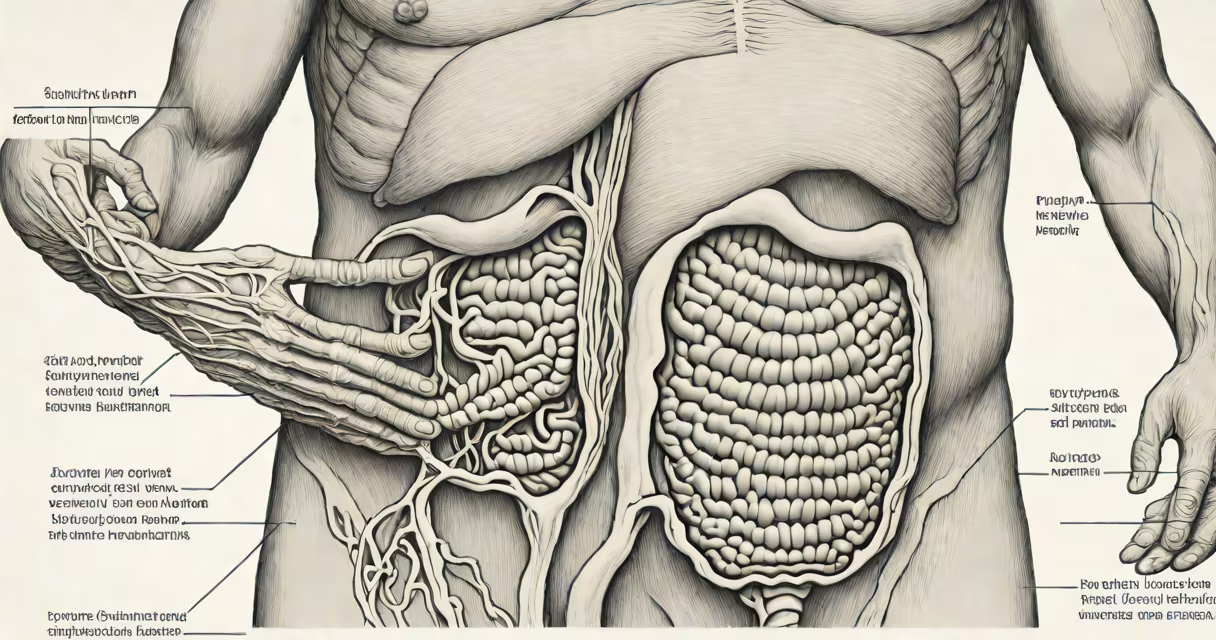
Your stomach growls because of the movement of gas, fluids, and food through your digestive tract, typically when you're hungry. These sounds, called borborygmi, occur due to contractions in your intestines.
When your stomach and small intestine contract, they push air, fluids, and partially digested food through your digestive system. These contractions happen whether your stomach is empty or full, but you usually hear them more when your stomach is empty because the sounds echo more loudly.
There are three primary types of stomach sounds:
Stomach growling most commonly occurs when you're hungry, but it can also happen throughout the day as part of normal digestion. The sounds are usually louder when your stomach is empty because there's less material to muffle the noise., stress and anxiety can also trigger stomach growling by increasing gut motility.
Contrary to popular belief, stomach growling isn't always a sign of hunger. It can also occur after eating, especially if you've consumed a large meal or something that causes gas. The sounds are simply a byproduct of your digestive system doing its job.
Many people think stomach growling is exclusively related to hunger, but it's a normal part of digestion that happens regardless of whether you've eaten recently. Another misconception is that the sounds come only from the stomach, when in fact they often originate in the small intestine.
Some believe that drinking water can stop stomach growling, but this is only a temporary solution. Water may help muffle the sounds for a short time, but it doesn't address the underlying cause-the contractions in your digestive tract.
Imagine you skipped breakfast and are working at your desk around 10 am. Your stomach starts making loud growling noises. This happens because your stomach and small intestine are contracting to move air and digestive juices through your system. Since there's no food to muffle the sounds, the contractions create audible borborygmi. If you eat lunch, the sounds may continue but will likely be lower and more rumbling as your digestive system processes the food.
If you're looking to clean out your stomach, understanding these natural processes can help you distinguish between normal digestive activity and potential issues.