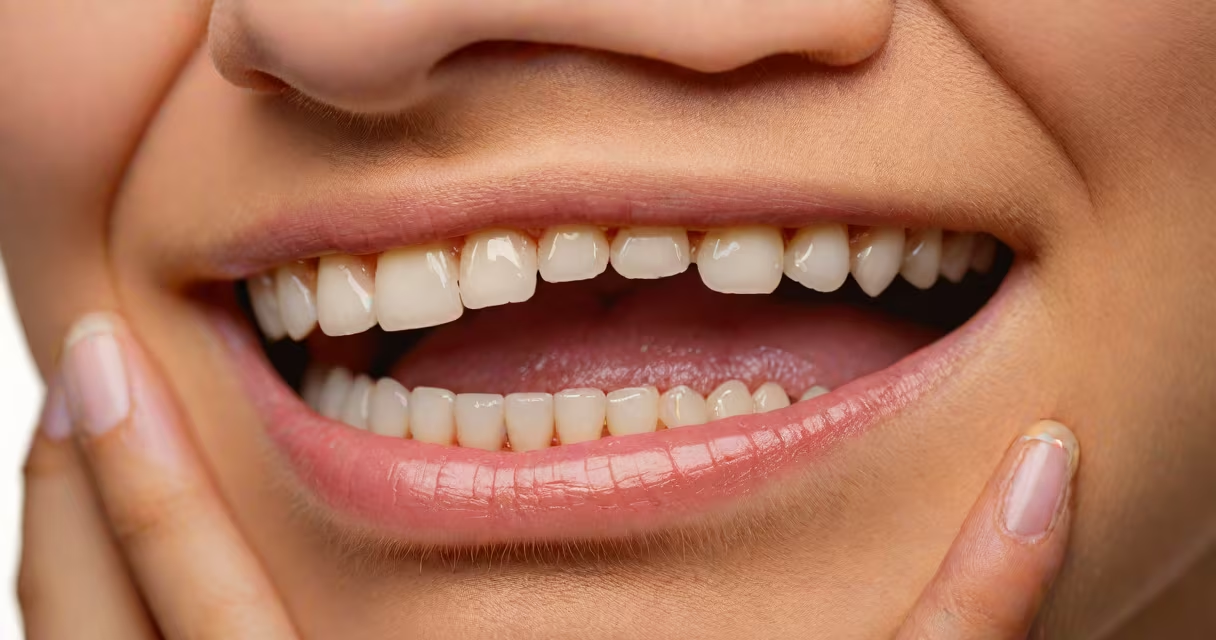
Tooth pain occurs when the nerve inside your tooth's pulp becomes irritated or damaged, often from decay, infection, or trauma. This discomfort ranges from mild sensitivity to sharp, throbbing pain.
The inner part of a tooth contains living tissues and nerves. When bacteria, heat, or pressure reaches the pulp, inflammation triggers pain signals. Even minor damage to the enamel can expose nerves to temperature changes or sugary foods.
| Type | Cause | Common Triggers |
|---|---|---|
| Sharp pain | Cavity or cracked tooth | Sugar, cold air, biting down |
| Dull ache | Gum disease or abscess | Pressure, lying down |
| Sensitivity | Enamel erosion | Hot or cold foods |
Most tooth pain originates near the tooth's root, where nerves cluster. Common causes include cavities (affecting 26% of adults, per the CDC), gum recession, or grinding. A cracked tooth may hurt only when chewing, while an abscess causes constant throbbing.
Many people assume tooth pain always means a cavity. However, it can also signal sinus infections, jaw misalignment, or even vitamin deficiencies. I once had persistent pain that turned out to be a sinus infection-no dental issues at all.
Another myth is that pain always worsens with time. Some conditions, like reversible pulpitis, cause temporary sensitivity that fades quickly. Permanent damage, however, grows worse without treatment.
Visit a dentist if pain lasts over two days, worsens suddenly, or comes with swelling or fever. Persistent pain at night often indicates a serious issue requiring immediate care. The American Dental Association recommends addressing pain promptly to prevent further damage.
Tooth pain isn't something to ignore. Identifying the cause early can save your smile-and your comfort.