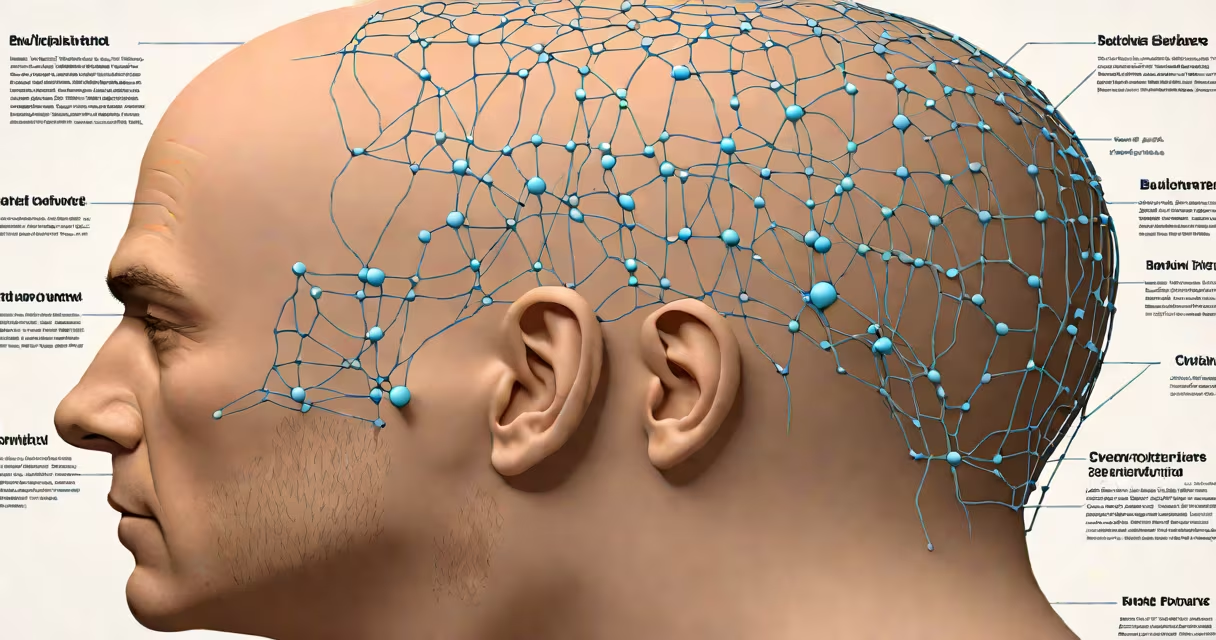
Male pattern baldness, or androgenetic alopecia, occurs due to a combination of genetic predisposition and hormonal sensitivity. This common condition affects about 50 million men in the U.S. alone.
Male pattern baldness is primarily hereditary. Research shows that if your father or brothers have it, you're more likely to develop it too. Over 200 genes may influence hair loss, with the AR gene on the X chromosome playing a significant role. This gene makes men more sensitive to dihydrotestosterone (DHT), a hormone linked to hair loss.
Contrary to popular belief, male pattern baldness isn't solely passed from the mother's side. While the X chromosome plays a part, other chromosomes contribute as well. Studies indicate that paternal grandparents can also influence the likelihood of baldness in their grandsons.
DHT, a derivative of testosterone, shrinks hair follicles over time, leading to thinner and shorter hair. Men with male pattern baldness have hair follicles more sensitive to DHT, causing them to miniaturize faster. This process eventually stops new hair growth, resulting in bald patches.
Not all men with high DHT levels experience hair loss. The sensitivity of hair follicles to DHT varies, which explains why some men remain unaffected despite genetic predispositions.
Many believe stress or poor diet causes male pattern baldness. While these factors can worsen hair loss, they don't cause it. The primary drivers are genetics and hormonal sensitivity.
Another myth is that baldness only affects older men. In reality, some men start losing hair as early as their late teens or early 20s. By age 35, about 66% of men experience noticeable hair loss, and by 50, nearly 85% have thinning hair.
I noticed my hairline receding in my mid-20s, which led me to research treatments. After consulting a dermatologist, I started using minoxidil, a topical solution that stimulates hair growth. While it didn't reverse my baldness completely, it slowed further hair loss.