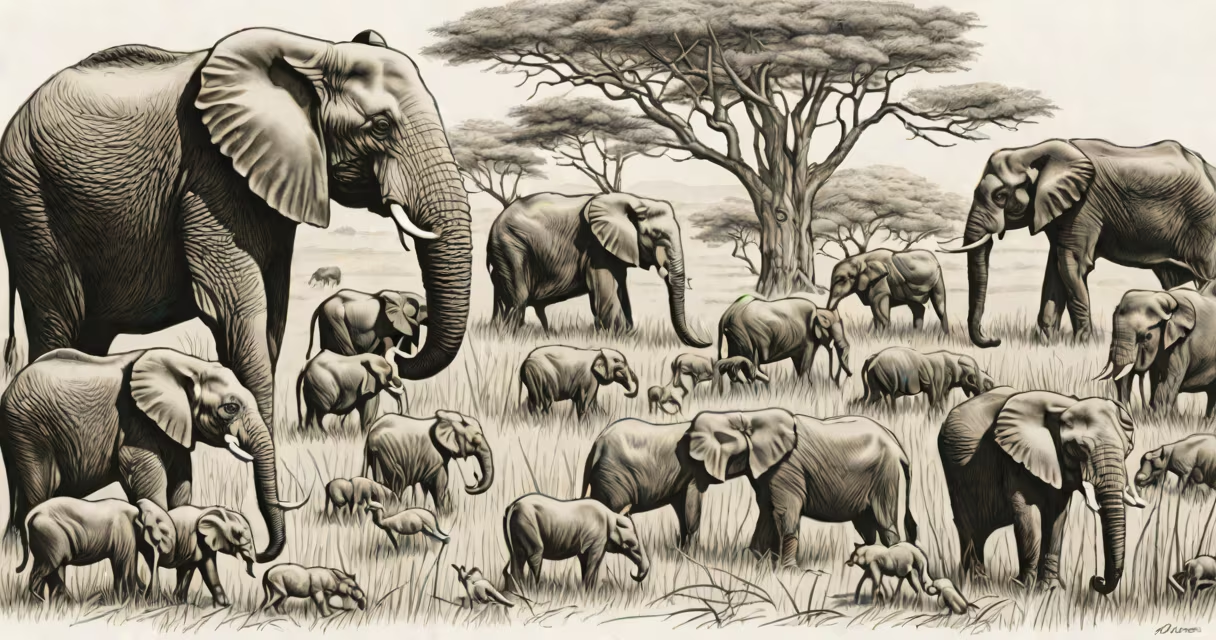
Protecting wildlife is important because it preserves biodiversity, maintains system health, and supports human well-being. Without conservation efforts, ecosystems collapse, threatening food security, clean water, and climate stability.
Conservation involves legal protections, habitat restoration, and community engagement. Governments establish protected areas, while NGOs and scientists monitor endangered species. Local communities often play key roles in sustainable resource management.
| Type | Description | Example |
|---|---|---|
| Legal Protections | Laws against hunting, poaching, and habitat destruction | Endangered Species Act (U.S.) |
| Habitat Restoration | Restoring degraded ecosystems to support wildlife | Reforestation projects in the Amazon |
| Community-Based Conservation | Engaging local communities in wildlife protection | Anti-poaching patrols in Africa |
Wildlife protection is essential globally, especially in biodiversity hotspots like the Amazon rainforest and coral reefs. These areas support countless species and provide system services such as pollination, water purification, and carbon sequestration.
For example, bees and other pollinators contribute $3 trillion annually to global food production. Protecting them ensures food security for billions of people.
Some argue that conservation limits economic growth. However, ecotourism generates $120 billion yearly, creating jobs and supporting local economies. Others believe wildlife protection is a luxury, but healthy ecosystems are important for human survival.
I once visited a reforestation project in Costa Rica. Seeing how restored forests attracted diverse wildlife showed me firsthand how conservation benefits both nature and people.
While both are important, wildlife protection focuses on preserving species and ecosystems, whereas animal welfare addresses the treatment of individual animals. For instance, protecting wolves helps maintain balanced ecosystems, while animal welfare ensures humane treatment of pets.
Learn more about protecting wild animals