Poor circulation occurs when blood flow slows through your body's vessels, often due to narrowed arteries, blood clots, or lifestyle factors. This can cause cold hands, numbness, or fatigue.
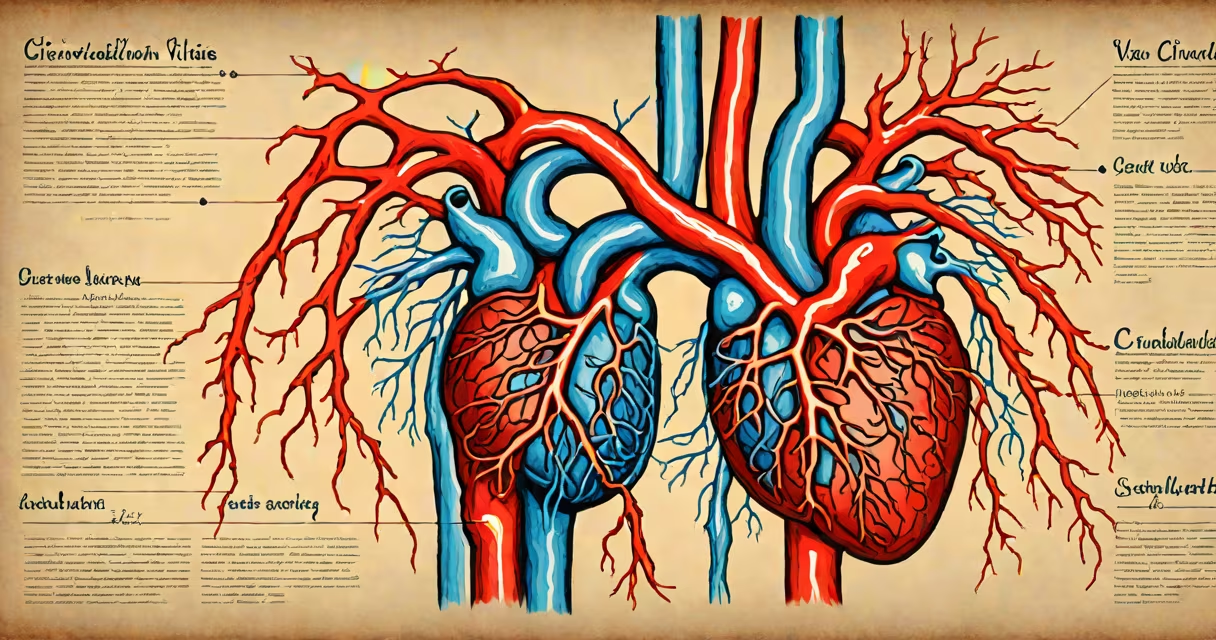
Your circulatory system includes your heart, arteries, capillaries, and veins. The heart pumps oxygen-rich blood through arteries, which branch into smaller vessels. After delivering oxygen, blood returns to the heart via veins. Poor circulation disrupts this process, reducing oxygen delivery to tissues.
Several factors contribute to bad circulation:
Common signs include:
Severe cases may lead to varicose veins or deep vein thrombosis (DVT).
Lifestyle changes can improve blood flow:
Consult a healthcare provider if you experience persistent symptoms like severe pain, ulcers, or sudden swelling. Early diagnosis of conditions like PAD or diabetes is important for preventing complications.
According to the American Heart Association, poor circulation affects millions, often due to preventable factors. Addressing lifestyle habits and seeking medical advice when needed can improve vascular health.