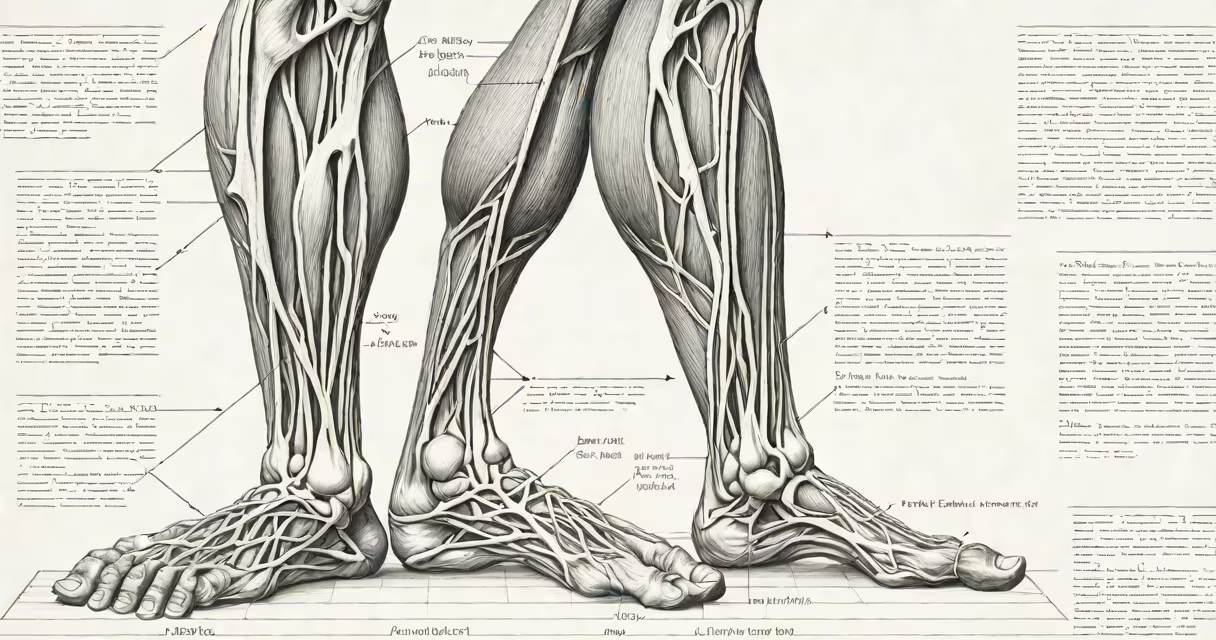
A sudden, severe leg ache often results from muscle strains, nerve compression, or circulation issues. These pains may feel sharp, dull, or throbbing, and they can occur anywhere from your hip to your foot.
Your legs contain hundreds of muscles, bones, joints, nerves, and blood vessels. Pain develops when any of these structures become injured, inflamed, or diseased. The brain interprets these signals as discomfort ranging.
Most leg pain occurs in the lower half of the leg, particularly the calf. This area endures significant stress during movement, making it prone to injury. Pain in the upper leg often stems from problems with the hip joint or thigh muscles.
| Type | Common Causes | Characteristics |
|---|---|---|
| Muscle-related pain | Strains, cramps, overuse | Dull ache, worsens with movement |
| Nerve-related pain | Sciatica, peripheral neuropathy | Sharp, burning, or tingling sensation |
| Joint pain | Arthritis, gout, injury | Stiffness, swelling, reduced mobility |
| Circulation issues | Peripheral artery disease, blood clots | Cramping, numbness, coldness |
Leg pain becomes dangerous when it indicates a serious underlying condition. Seek immediate medical care if you experience:
Many people assume leg pain always results from overexertion or aging. While these factors contribute, other causes include:
For minor leg pain, try these remedies:
I once experienced sudden calf pain while running. After ruling out serious conditions, my doctor diagnosed me with a muscle strain. Rest and gentle stretching resolved the issue within two weeks. This experience taught me the importance of paying attention to my body's signals.