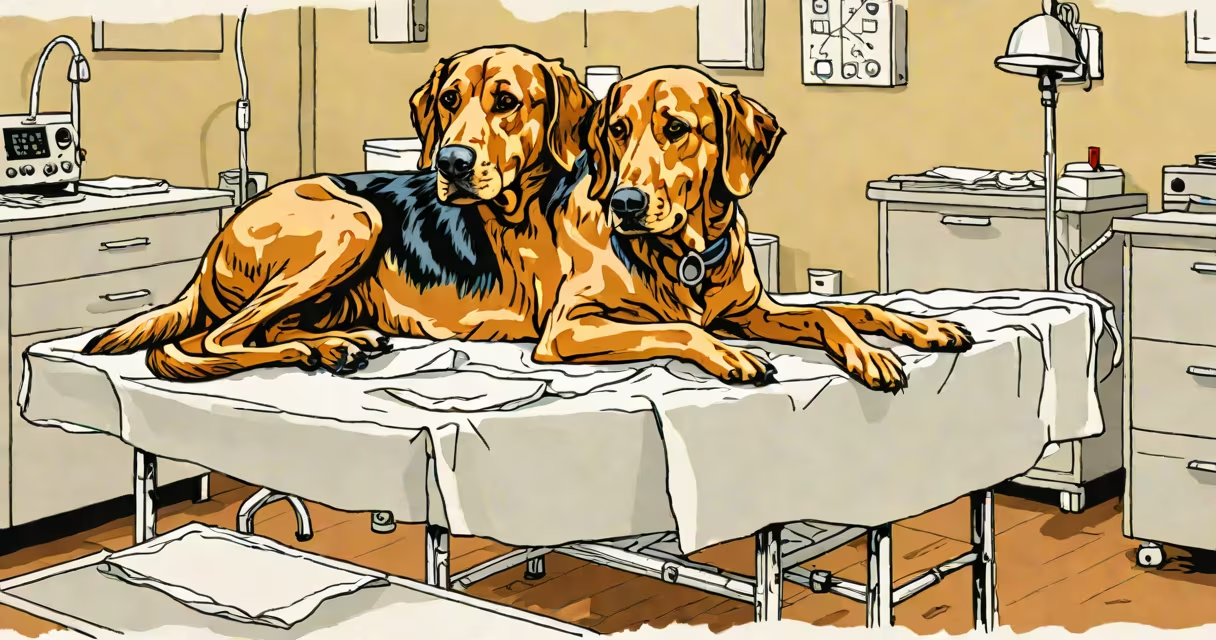
Older dogs may urinate more frequently due to age-related health conditions, such as diabetes, kidney disease, or weakened bladder control. These changes often require veterinary attention.
Common Causes of Increased Urination in Senior Dogs
As dogs age, their bodies undergo changes that can affect urinary function. Some of the most frequent causes of increased urination include:
Diabetes mellitus: This condition increases thirst and urine production. Symptoms include excessive drinking, weight loss, and cloudy urine.
Kidney disease: Reduced kidney function leads to increased urine output and sometimes accidents indoors.
Urinary tract infections (UTIs): These can cause frequent urination, discomfort, and blood in the urine.
Bladder control issues: Weakened muscles may prevent the bladder from holding urine properly.
Cognitive dysfunction: Similar to dementia in humans, this can cause disorientation and forgetfulness about house training.
How It Works: The Aging Canine Bladder
The bladder's ability to hold urine declines with age due to muscle weakening and nerve deterioration. This can result in smaller urine storage capacity and involuntary leaks., hormonal changes, such as decreased estrogen in female dogs, can contribute to urinary incontinence.
When to Consult a Veterinarian
Schedule a vet visit if your older dog shows any of these signs alongside increased urination:
Accidents in the house despite proper training
Blood in the urine
Struggling to urinate or frequent attempts
Excessive thirst or lethargy
Weight loss or changes in appetite
A veterinarian can perform tests, including urine analysis and blood work, to diagnose underlying conditions.
Management and Treatment Options
Treatment depends on the cause. For example:
Diabetes requires insulin therapy and dietary management.
UTIs are treated with antibiotics.
Bladder control issues may improve with medication or supplements.
In some cases, dietary changes, such as feeding smaller, more frequent meals, can help manage symptoms.