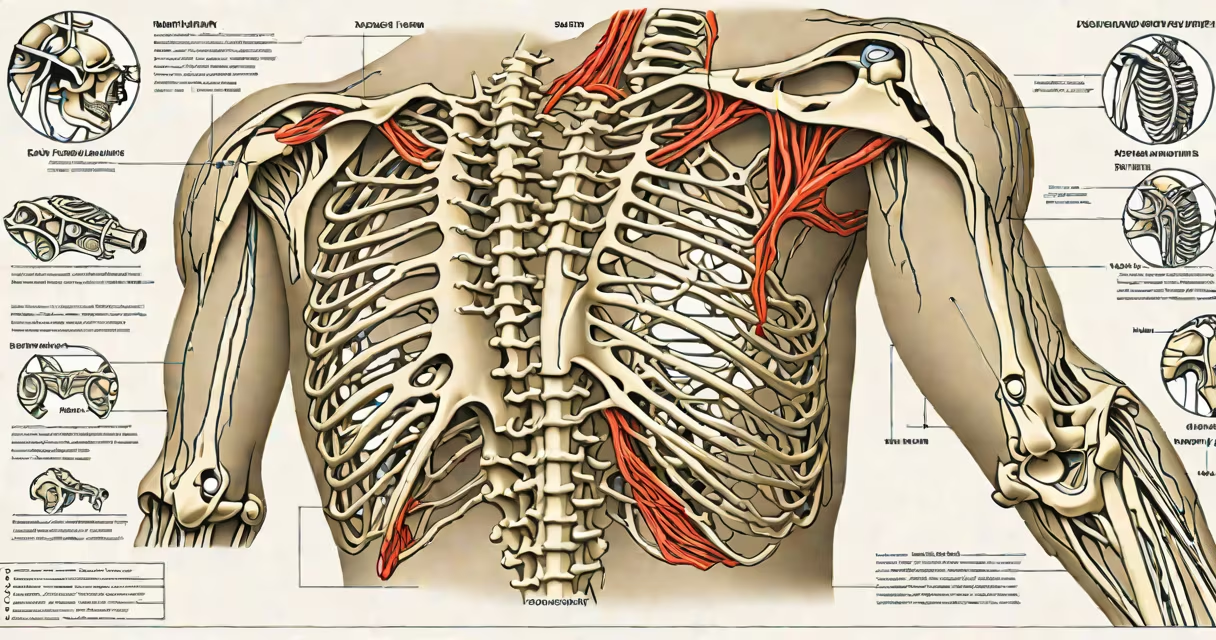
Shoulder pain occurs when tissues in your shoulder joint become irritated or damaged. This includes muscles, tendons, ligaments, bones, and cartilage. Shoulder pain ranges and may worsen with movement.
The shoulder is a ball-and-socket joint where the upper arm bone (humerus) meets the shoulder blade (scapula). It's surrounded by muscles and tendons that allow for many motion. The rotator cuff, a group of four muscles and their tendons, stabilizes the shoulder joint.
| Type | Common Causes | Symptoms |
|---|---|---|
| Rotator Cuff Injury | Overuse, repetitive motions, or sudden trauma | Sharp pain, weakness, difficulty raising the arm |
| Frozen Shoulder | Prolonged immobility, diabetes, or previous injury | Stiffness, reduced range of motion, dull ache |
| Arthritis | Aging, wear and tear, or previous injury | Joint pain, swelling, stiffness |
| Bursitis | Repetitive motions, overuse, or trauma | Swelling, tenderness, pain when moving the shoulder |
Shoulder pain often results from overuse, injury, or underlying conditions. For example, lifting heavy objects repeatedly can strain the rotator cuff, leading to inflammation and pain. A sudden fall or accident can also cause acute shoulder injuries.
Underlying conditions like arthritis or bursitis can contribute to chronic shoulder pain. Arthritis causes joint inflammation, while bursitis affects the fluid-filled sacs that cushion the shoulder joint. Both conditions lead to persistent discomfort and reduced mobility.
Consult a doctor if shoulder pain persists for more than a few days, worsens at night, or is accompanied by swelling, redness, or fever. These symptoms may indicate a more serious condition requiring professional evaluation and treatment.
For example, a rotator cuff tear may require physical therapy or surgery if left untreated. Early diagnosis and intervention can prevent further damage and improve recovery outcomes.
Rest, ice, compression, and elevation (RICE) can help reduce shoulder pain and inflammation. Over-the-counter pain relievers like ibuprofen or acetaminophen may provide temporary relief. Physical therapy exercises can strengthen the shoulder muscles and improve flexibility.
In severe cases, medical treatments such as corticosteroid injections or surgery may be necessary. Consulting a healthcare provider ensures the most appropriate treatment plan for your specific condition.
Last year, I experienced persistent shoulder pain after a weekend of intense gardening. The discomfort worsened at night, making it difficult to sleep. After consulting a doctor, I was diagnosed with mild bursitis. Following a regimen of rest, ice, and gentle stretching exercises helped alleviate the pain within a few weeks.