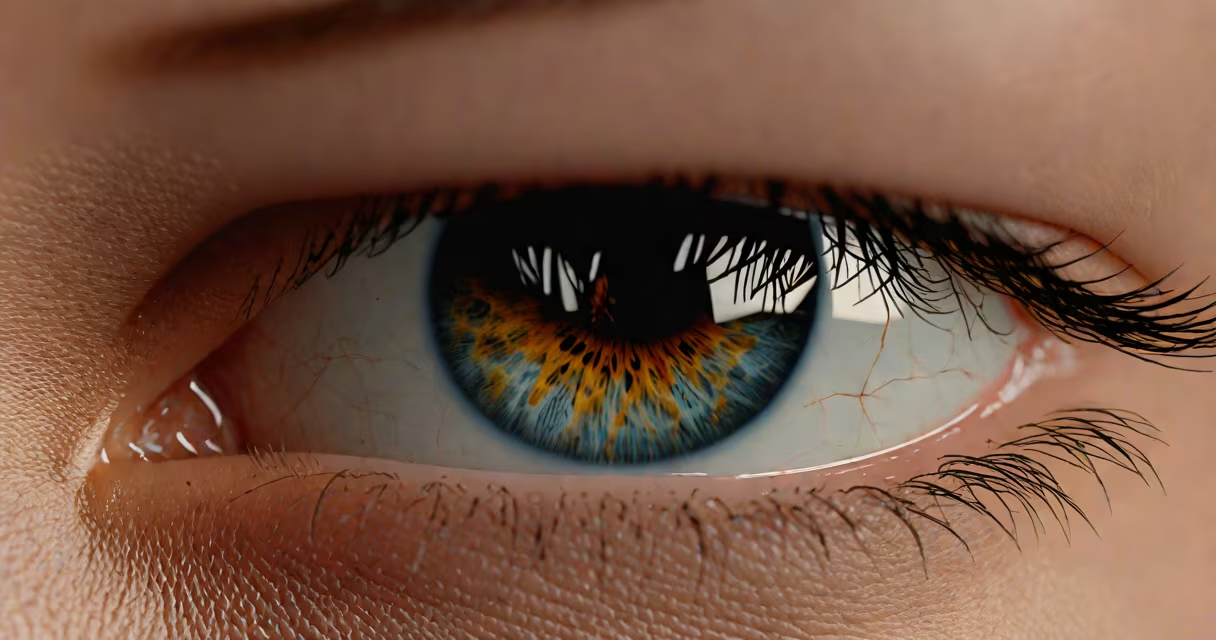
Eye twitching occurs when small muscles around your eye contract involuntarily. This common condition, medically termed myokymia, typically affects the eyelid but can involve other facial muscles.
Your eye muscles, like all muscles, contract and relax through electrical signals from nerves. When these signals misfire, they cause tiny muscle contractions you perceive as twitching. Most cases involve the orbicularis oculi muscle controlling eyelid movement.
| Type | Duration | Common Triggers |
|---|---|---|
| Minor eyelid twitch | Minutes to hours | Stress, fatigue, caffeine |
| Benign essential blepharospasm | Days to weeks | Unknown, may be neurological |
| Hemifacial spasm | Persistent | Blood vessel compression |
Most eye twitching results from harmless lifestyle factors. The American Academy of Ophthalmology cites stress, fatigue, and caffeine as primary triggers. Dehydration and eye strain from screens contribute. I've noticed my own eye twitching worsens after long coding sessions without breaks.
Less commonly, nutritional deficiencies like low magnesium or potassium levels may cause twitching. The National Institutes of Health recommends checking vitamin B12 status if twitching persists alongside fatigue or numbness.
While usually harmless, persistent twitching accompanied by drooping eyelids, vision changes, or facial paralysis warrants medical evaluation. These could indicate conditions like blepharospasm or hemifacial spasm requiring treatment. The Mayo Clinic advises seeing a doctor if twitching lasts longer than a week or interferes with daily activities.
Eye twitching rarely indicates serious conditions like multiple sclerosis or Parkinson's disease. However, sudden onset of twitching with other neurological symptoms requires immediate attention.
Most cases resolve without treatment through improved sleep hygiene and stress management. Reducing caffeine intake often helps. For persistent cases, botulinum toxin injections (Botox) can paralyze affected muscles temporarily. In severe cases, surgical procedures may decompress affected nerves.
If you're experiencing frequent eye twitching alongside earaches, this guide explores potential connections between these symptoms. For specific information about eye lid twitching, visit our dedicated page.
For those experiencing daily eye twitching, our complete guide provides additional strategies for managing this condition.