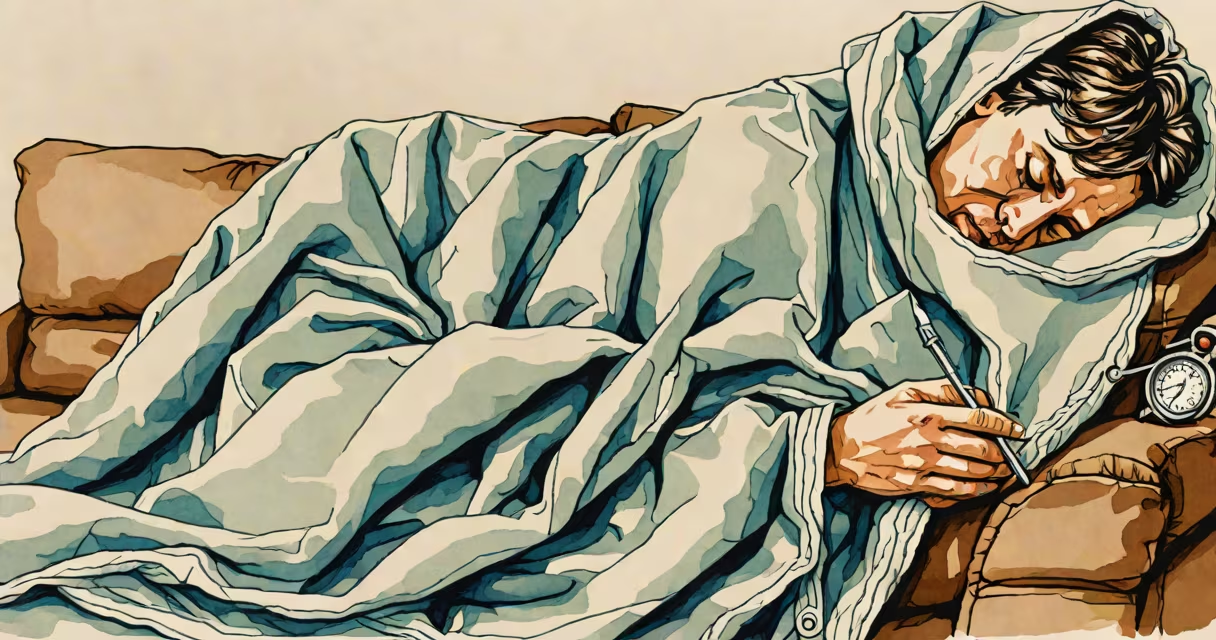
Your body feeling cold can result from normal temperature regulation, environmental factors, or underlying medical conditions. Most causes are harmless, but persistent cold feelings may indicate health issues requiring attention.
Normal body temperature averages 98.6°F (37°C), though it varies by individual and time of day. The hypothalamus acts as your body's thermostat, regulating temperature through processes like shivering or sweating. Blood vessels constrict in cold conditions to retain heat, while they dilate in warmth to release it.
Feeling cold can stem from various factors, including:
Occasional cold feelings are normal, but seek medical advice if you experience:
Doctors may perform blood tests, thyroid function tests, or check circulation. Treatment depends on the underlying cause, ranging from lifestyle changes to medication.
Many people assume feeling cold always signals illness. However, temporary cold sensations often result from normal physiological responses. For example, shivering helps generate heat when exposed to cold temperatures. Persistent coldness, especially with other symptoms, warrants medical evaluation.
I once experienced unexplained coldness in my hands and feet for weeks. After ruling out environmental factors, a doctor diagnosed mild anemia, which improved with dietary changes and iron supplements.
To maintain comfortable body temperature:
If cold sensations persist, consult a healthcare provider to rule out underlying conditions. Understanding the causes helps distinguish normal responses from potential health concerns.
If weakness accompanies cold feelings, explore related symptoms and causes. Learn about chills and their connection to body temperature regulation. Discover long-term solutions for persistent cold body sensations.