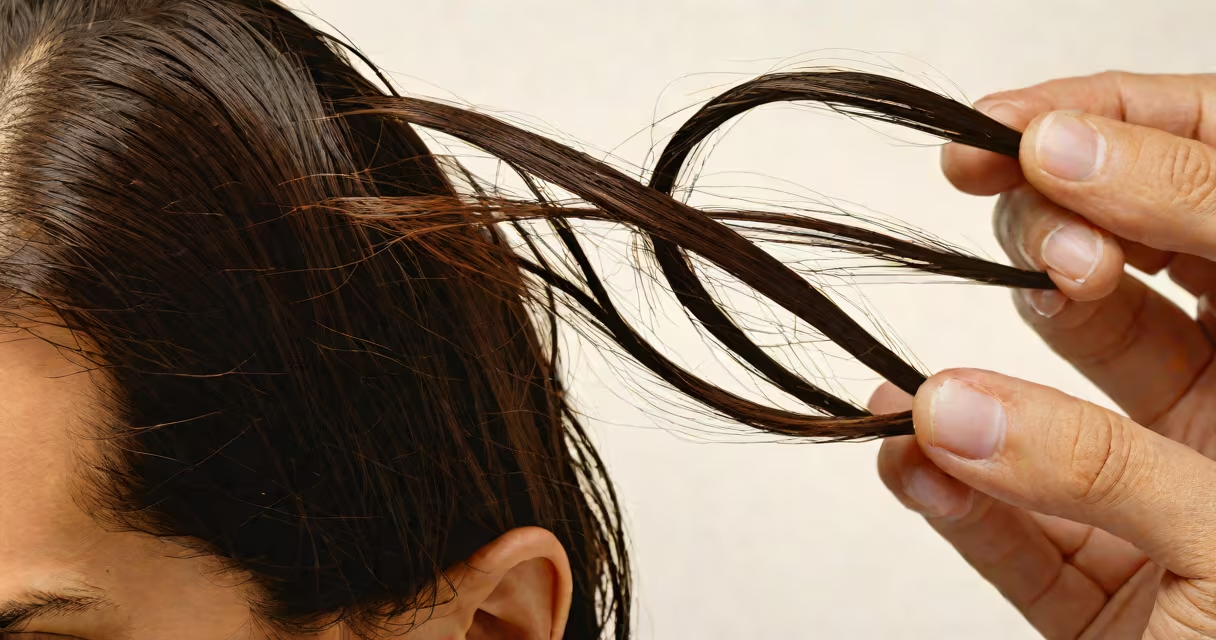
Sudden hair loss occurs when large amounts of hair fall out quickly due to a disruption in the normal hair growth cycle. This can happen for many reasons, including stress, illness, or certain medications.
Hair grows in three phases: anagen (growth), catagen (transition), and telogen (resting). Normally, 80-90% of hair is in the anagen phase, which lasts 2-7 years. The remaining 10-20% is in the telogen phase, which lasts 2-4 months before shedding. About 50-100 hairs fall out daily during this phase.
Two primary types of sudden hair loss exist: telogen effluvium and anagen effluvium.
| Type | Cause | Recovery Time |
|---|---|---|
| Telogen effluvium | Stress, illness, or hormonal changes push hair into the resting phase prematurely. | 3-6 months |
| Anagen effluvium | Chemotherapy or toxins disrupt the growth phase. | Several months after treatment ends |
Sudden hair loss often results from physical or emotional stress, such as surgery, childbirth, or severe illness. Nutritional deficiencies, particularly iron, zinc, or vitamin D, can also trigger it. Certain medications, like beta-blockers such as atenolol, may cause hair loss as a side effect. Hormonal changes, like those during menopause or thyroid disorders, are another common cause.
I once noticed significant hair shedding after a high-stress project at work. A dermatologist diagnosed telogen effluvium and recommended stress management techniques. My hair gradually returned to normal within six months.
Consult a healthcare provider if hair loss is sudden, patchy, or accompanied by other symptoms like scalp pain or redness. A doctor can identify underlying causes and recommend appropriate treatments. For example, sudden female hair loss may require specific attention to hormonal imbalances.
Most cases of sudden hair loss resolve on their own once the underlying cause is addressed. Treatments may include dietary changes, stress reduction, or medications like minoxidil. In some cases, supplements such as vitamin B5 may support hair regrowth. For medication-induced hair loss, switching drugs or adjusting dosages may help.
According to the American Academy of Dermatology, telogen effluvium is reversible, and hair usually regrows within a few months. However, anagen effluvium may take longer to recover, depending on the severity of the disruption.
Many people assume sudden hair loss is permanent or caused solely by genetics. While genetics play a role in some forms of hair loss, sudden hair loss is often temporary and treatable. Another myth is that frequent hair washing causes hair loss. In reality, hair falls out due to the natural cycle, not washing.
For more details on sudden female hair loss, see common causes of sudden hair loss in women.
Maintaining a balanced diet, managing stress, and avoiding harsh hair treatments can help prevent sudden hair loss. Regular exercise and adequate sleep also support health and hair growth. If you suspect medication-related hair loss, consult your doctor about alternatives.