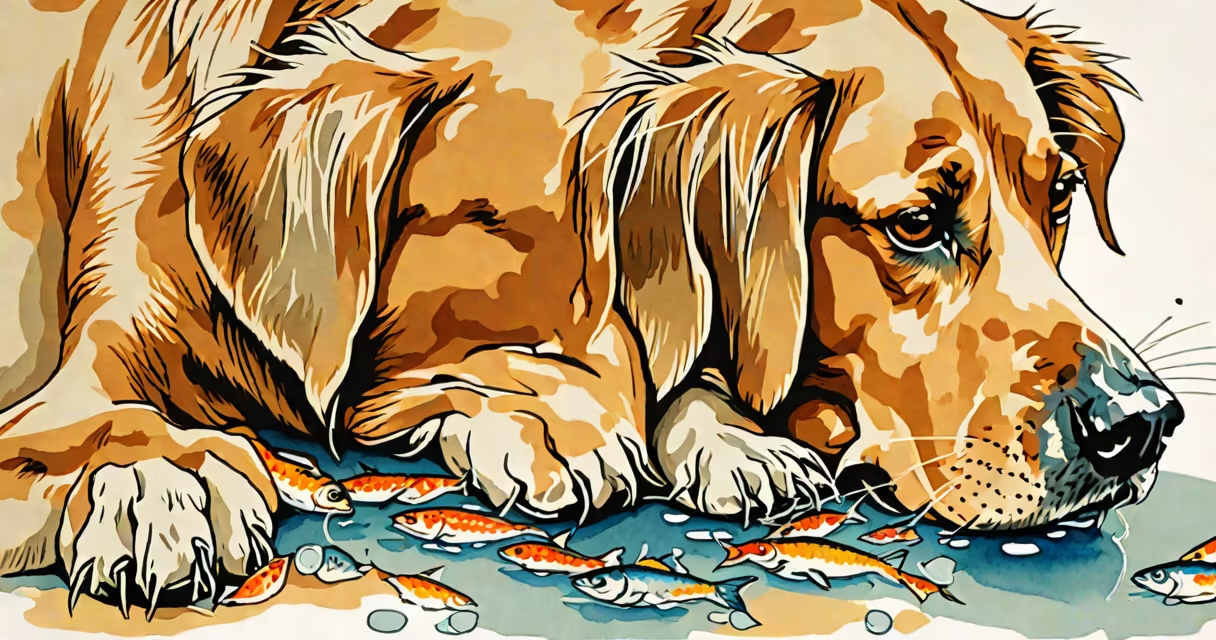
A fishy smell on your dog usually indicates a bacterial or yeast infection, often in the ears, skin, or mouth. This odor occurs when microorganisms produce volatile compounds similar to those in rotting fish.
Several conditions can make a dog smell like fish:
If the fishy smell persists after cleaning or doesn't improve within a few days, schedule a veterinary appointment. Chronic infections may indicate underlying allergies or immune system issues. Left untreated, these conditions can worsen and cause discomfort or pain for your pet.
I noticed a persistent fishy odor on my golden retriever's paws last winter. After a vet visit, we discovered a bacterial infection likely caused by frequent exposure to salt and deicing chemicals during walks. Antibiotics cleared it up completely.
Regular grooming, especially ear cleaning, helps prevent infections. Keep your dog's coat dry and clean, particularly after swimming or outdoor play. Schedule professional dental cleanings as recommended by your veterinician.
Most dogs naturally have a mild doggy odor, but sudden or strong smells like fish indicate potential health problems. For more details about common dog odors and their meanings, read our guide on why dogs sometimes smell like fish.
If your dog develops a fishy smell along with other symptoms like excessive scratching, head shaking, or lethargy, contact your veterinarian immediately. Early treatment prevents complications and keeps your pet comfortable.