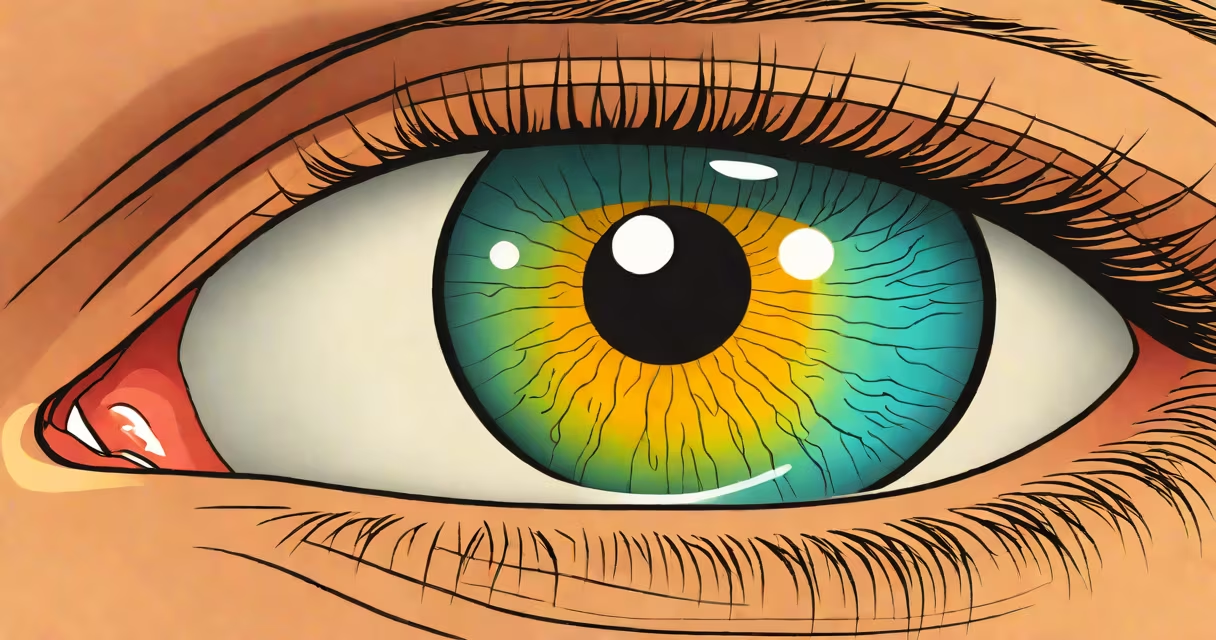
Dilated pupils occur when the black center of your eye expands due to changes in light or other factors. This happens when the iris muscles contract, enlarging the pupil size.
The pupil controls how much light enters your eye. In low light, pupils dilate to allow more light in. In bright light, they constrict to protect your retina. This automatic response is called the pupillary reflex.
Several factors can cause your pupils to dilate beyond normal light responses:
While many causes of dilation are harmless, some require medical attention. Seek help if dilation occurs suddenly, is accompanied by headaches, blurred vision, or lasts longer than expected. Unequal dilation in both eyes could indicate a serious issue, such as a stroke or brain injury.
Many people assume dilated pupils are always due to drug use, but this is not true. While some substances can cause dilation, other factors like stress or medical conditions are equally likely., dilation doesn't always mean something is wrong-it could simply be your eyes adjusting to light.
If you notice persistent or unusual dilation, consult a healthcare professional for an accurate diagnosis. Understanding the underlying cause can help address any potential concerns and ensure your vision remains healthy.