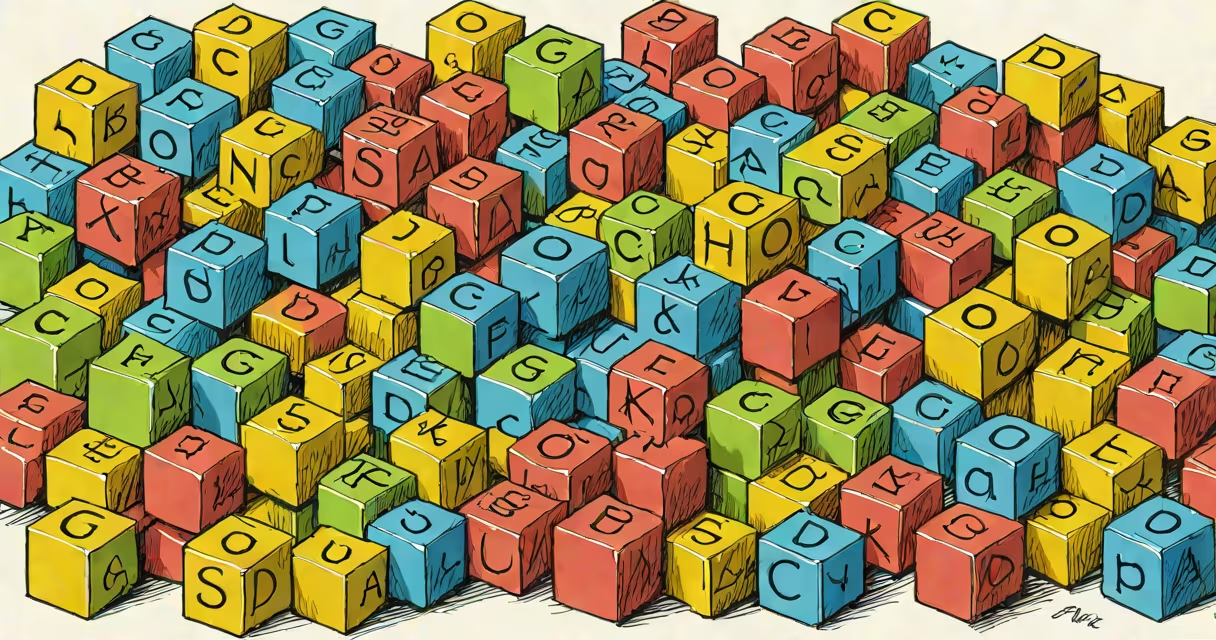
A sound in phonics is a single speech sound that letters or letter combinations represent, forming the smallest units of spoken language. These sounds combine to create syllables and words, serving as the foundation for reading and spelling.
Phonics sounds differ from letters themselves. For example, the letter "C" can represent two distinct sounds: the hard "k" sound in "cat" and the soft "s" sound in "cent." Understanding these sounds helps children decode words when reading and encode them when writing.
Each phonics sound corresponds to one or more letters. The English language has 44 phonics sounds, known as phonemes. These sounds are categorized into vowels, consonants, and digraphs (two letters making one sound). For instance, the word "ship" contains the phoneme /sh/, which is a digraph combining the letters "s" and "h."
Children learn to blend these sounds together to read words. For example, the word "dog" is made up of three phonics sounds: /d/ /o/ /g/. When blended, these sounds form the word "dog." Similarly, they segment words into individual sounds when spelling. The word "run" is segmented into /r/ /u/ /n/.
| Type | Examples | Sounds |
|---|---|---|
| Vowel Sounds | a, e, i, o, u | /a/ as in "cat," /e/ as in "bed," /i/ as in "sit," /o/ as in "hot," /u/ as in "sun" |
| Consonant Sounds | b, c, d, f, g, etc. | /b/ as in "bat," /k/ as in "cat," /d/ as in "dog," /f/ as in "fish," /g/ as in "goat" |
| Digraphs | ch, sh, th, ph, wh | /ch/ as in "chip," /sh/ as in "ship," /th/ as in "think," /ph/ as in "photo," /wh/ as in "wheel" |
Phonics sounds are essential in early literacy education. Teachers use phonics instruction to help children develop phonemic awareness, the ability to hear, identify, and manipulate phonemes in spoken words. This skill is important for reading and spelling success. For example, a teacher might ask students to identify the beginning sound in the word "sun" (/s/) or to blend the sounds in "cat" (/c/ /a/ /t/).
Phonics sounds are also used in reading programs and apps designed to teach children how to read. These programs often include interactive games and activities that focus on blending and segmenting sounds. For instance, a program might ask a child to drag and drop letter tiles to form the word "dog" by matching the sounds /d/ /o/ /g/.
One common misconception is that each letter corresponds to only one sound. However, many letters can represent multiple sounds. For example, the letter "c" can make the /k/ sound as in "cat" or the /s/ sound as in "cent." Another misconception is that phonics sounds are only relevant for beginners. In reality, understanding phonics sounds is important for reading and spelling at all levels, including advanced reading comprehension.
Some people confuse phonics sounds with letter names. While letter names are important, phonics sounds are the actual sounds that letters make. For example, the letter name for "b" is "bee," but the phonics sound is /b/. Understanding this distinction is important for effective reading instruction.
I once observed a first-grade classroom where the teacher used a phonics program that included interactive sound cards. Each card had a picture and the corresponding phonics sound. The children loved playing games with these cards, and their phonemic awareness improved over the school year.
Understanding a sound in phonics is fundamental for developing reading and spelling skills. By learning to blend and segment phonics sounds, children can decode words and build a strong foundation for literacy. Whether through classroom instruction or educational apps, mastering phonics sounds is a key step in becoming a proficient reader.