An abdominal bloating diet consists of foods that minimize gas production and support digestion, helping to alleviate discomfort. This approach typically includes fiber-rich, low-FODMAP, and probiotic foods.
The diet works by avoiding high-FODMAP (fermentable oligosaccharides, disaccharides, monosaccharides, and polyols) foods, which are poorly absorbed in the small intestine and fermented by gut bacteria, producing gas. Instead, it emphasizes easily digestible foods that promote gut health.
Key components of an abdominal bloating diet include:
This diet is used by individuals experiencing chronic bloating, gas, or irritable bowel syndrome (IBS). It's often recommended alongside other treatments for digestive health. According to Harvard Health, dietary changes are one of the most effective ways to manage bloating.
Many people assume that all fiber is good for bloating, but insoluble fiber can worsen symptoms., some believe that drinking more water alone will fix bloating, but hydration must be paired with the right foods for optimal results.
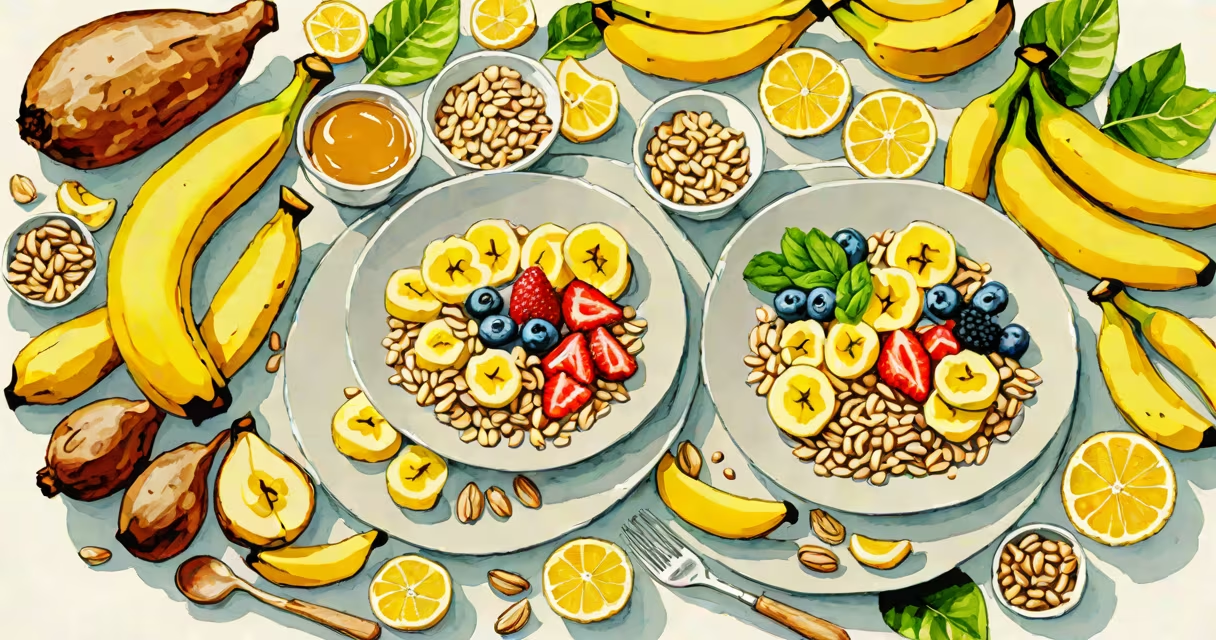
For example, while oatmeal is often recommended for its soluble fiber, pairing it with a banana-a low-FODMAP fruit-can improve its effectiveness. Conversely, eating a high-FODMAP food like broccoli may counteract the benefits.
To follow an abdominal bloating diet, start your day with a breakfast of oatmeal topped with blueberries and a dollop of yogurt. For lunch, have a quinoa salad with spinach, cucumber, and grilled chicken. Dinner could consist of baked salmon with a side of steamed carrots and ginger tea. Snacks might include rice cakes or a handful of walnuts.
If bloating persists despite dietary changes, it may indicate an underlying condition. Symptoms like severe abdominal pain with bloating and back pain should prompt a visit to a healthcare provider. Understanding the difference between normal bloating and potential digestive disorders is important.