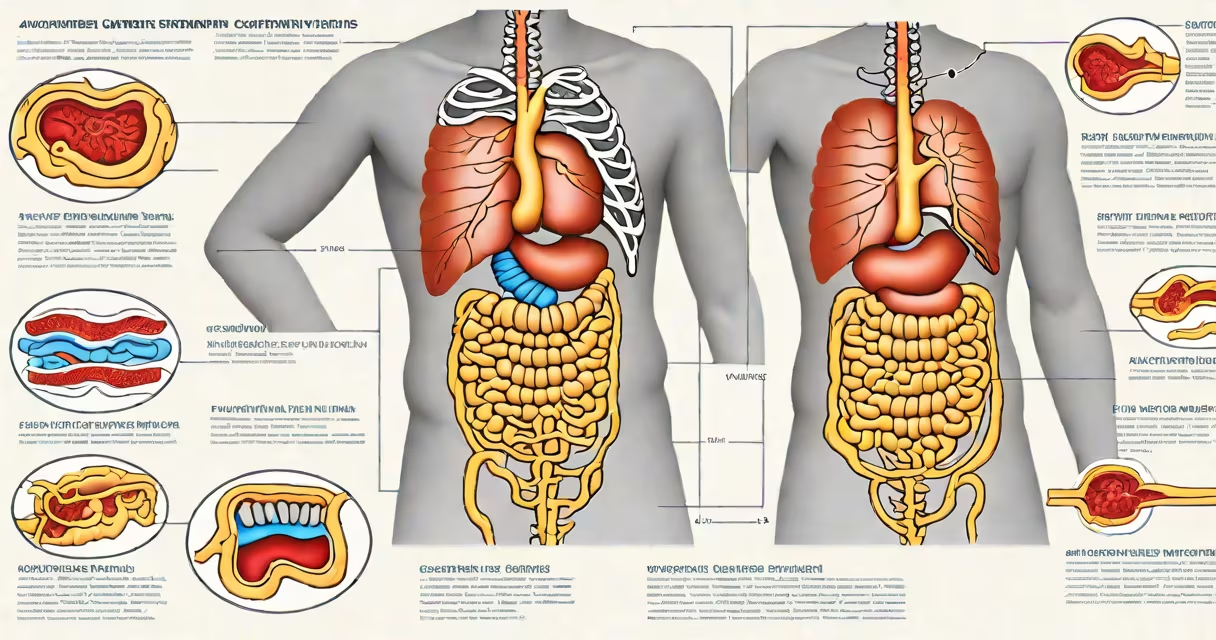
Abdominal pain after gastroenteritis is common due to inflammation, muscle strain, and gut microbiome disruption. The discomfort typically lasts days to weeks but can persist longer if complications arise.
Gastroenteritis, often called "stomach flu," inflames the stomach and intestines. Viruses (norovirus, rotavirus) or bacteria (E. coli, Salmonella) trigger severe cramping, diarrhea, and vomiting. Even after the infection clears, residual pain occurs because:
Per a Clinical Gastroenterology and Hepatology study, 30% of patients report lingering abdominal pain for up to two weeks post-recovery.
| Type | Location | Duration | Associated Symptoms |
|---|---|---|---|
| Residual cramping | Lower abdomen | Days to 1 week | Gas, mild nausea |
| Muscle soreness | Upper/lower abdomen | 1-2 weeks | Tenderness when pressed |
| Post-infectious IBS | Generalized | Weeks to months | Alternating constipation/diarrhea |
Post-infectious irritable bowel syndrome (IBS) develops in 5-10% of cases, per the American Journal of Gastroenterology.
Consult a physician if pain lasts beyond two weeks or includes:
Persistent pain may indicate conditions like lactose intolerance (temporary after gastroenteritis) or small intestinal bacterial overgrowth (SIBO). A doctor can rule out these issues with tests like hydrogen breath tests or stool samples.
To ease pain during recovery:
I once tested this regimen after a norovirus infection. By day 5, my cramps subsided, and probiotics reduced bloating within a week.
Many assume abdominal pain after gastroenteritis means reinfection. However, pain often stems from muscle recovery or microbiome imbalance, not a new illness. Another myth: pain always requires medication. Mild discomfort typically resolves with rest and hydration.
Abdominal pain after gastroenteritis is normal due to inflammation and muscle strain. Most cases resolve within two weeks, but persistent or severe pain warrants medical attention. Focus on hydration, gentle foods, and probiotics to support recovery.