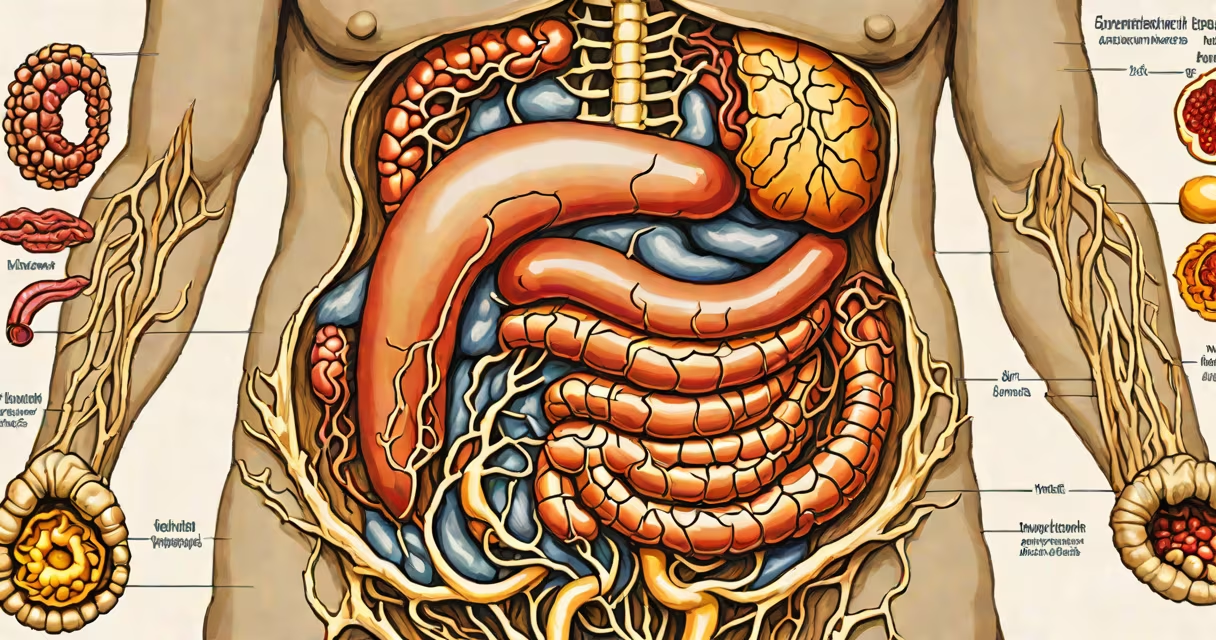
Abdominal pain and burping after eating occur when food irritates the digestive tract, often due to overeating, eating too quickly, or consuming fatty or spicy foods. These symptoms typically resolve within a few hours but may indicate underlying conditions if they persist.
The digestive process begins in the mouth and continues through the stomach and intestines. Food moves through the digestive tract via muscle contractions called peristalsis. When digestion is disrupted, gas builds up, causing bloating, pain, and burping.
Common triggers include:
Consult a healthcare provider if symptoms persist for more than two weeks, worsen over time, or occur with other symptoms like weight loss, vomiting, or blood in stool. Persistent abdominal pain and burping after eating may signal conditions such as gastroesophageal reflux disease (GERD) or irritable bowel syndrome (IBS).
In one study published in the Journal of Clinical Gastroenterology, researchers found that 30% of patients with chronic indigestion had underlying functional dyspepsia, a condition characterized by recurring upper abdominal pain and discomfort.
To alleviate symptoms, try:
Many people assume burping is always harmless, but frequent burping with pain may indicate acid reflux or other digestive issues., some believe that drinking water with meals helps digestion, but excessive water intake during meals can dilute stomach acid, impairing digestion.
I once experienced persistent abdominal pain and burping after eating spicy foods. After tracking my meals and symptoms, I realized spicy foods triggered my discomfort. Reducing spice intake resolved the issue within a week.
If symptoms persist despite lifestyle changes, seek medical advice to identify potential underlying causes.