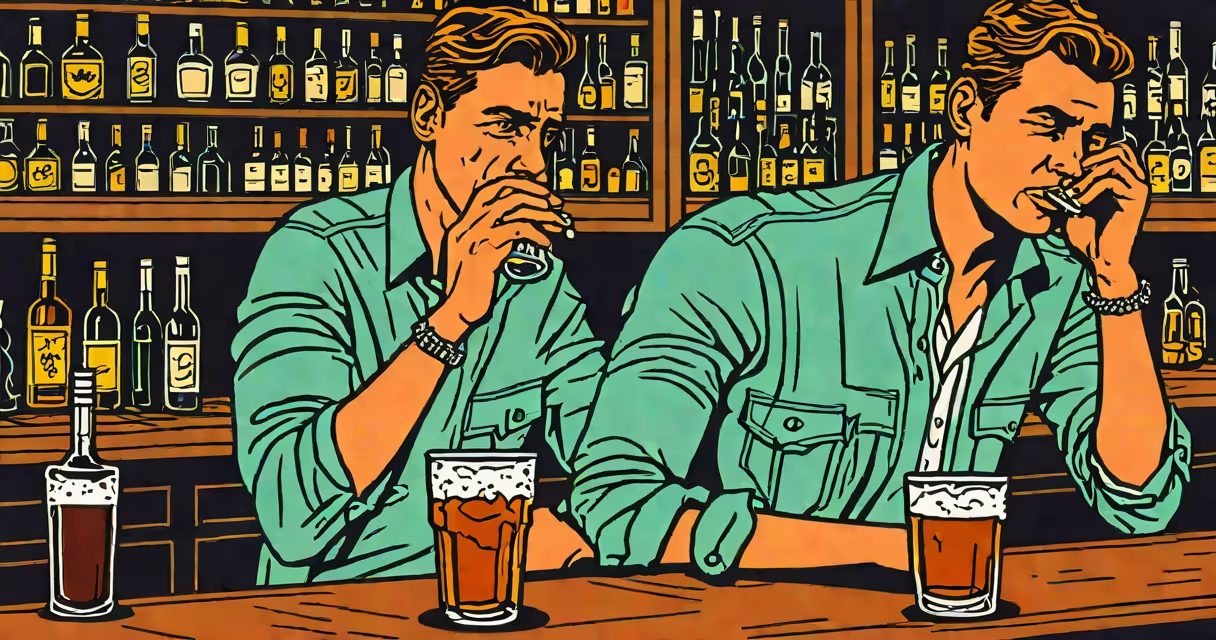
Alcohol and vasovagal syncope are linked because drinking lowers blood pressure and dehydrates the body, triggering fainting spells. This happens because alcohol causes blood vessels to dilate, reducing blood flow to the brain.
Vasovagal syncope occurs when the vagus nerve overreacts to a trigger, causing a sudden drop in heart rate and blood pressure. Alcohol contributes to this by:
For example, a person drinking heavily may suddenly feel lightheaded and pass out due to these combined effects.
Alcohol-related syncope can occur in different scenarios:
| Type | Description | Example |
|---|---|---|
| Acute alcohol ingestion | Fainting shortly after drinking | A person passes out after a few drinks at a party |
| Hangover-related syncope | Fainting the morning after heavy drinking | Someone faints while getting out of bed after a night of drinking |
| Chronic alcohol abuse | Frequent fainting due to long-term alcohol misuse | A chronic drinker faints during daily activities |
Many people think vasovagal syncope from alcohol is rare or only happens to those with underlying conditions. However, even healthy individuals can experience it after excessive drinking. A study published in the Journal of the American College of Cardiology found that alcohol can trigger syncope in otherwise healthy adults due to its effects on the cardiovascular system.
I once witnessed a friend suddenly faint after a few rounds of shots at a bar. He had no history of fainting but had drunk quickly on an empty stomach. Paramedics attributed it to alcohol-induced vasovagal syncope, highlighting how common this reaction can be.
To reduce the risk of alcohol-related syncope: