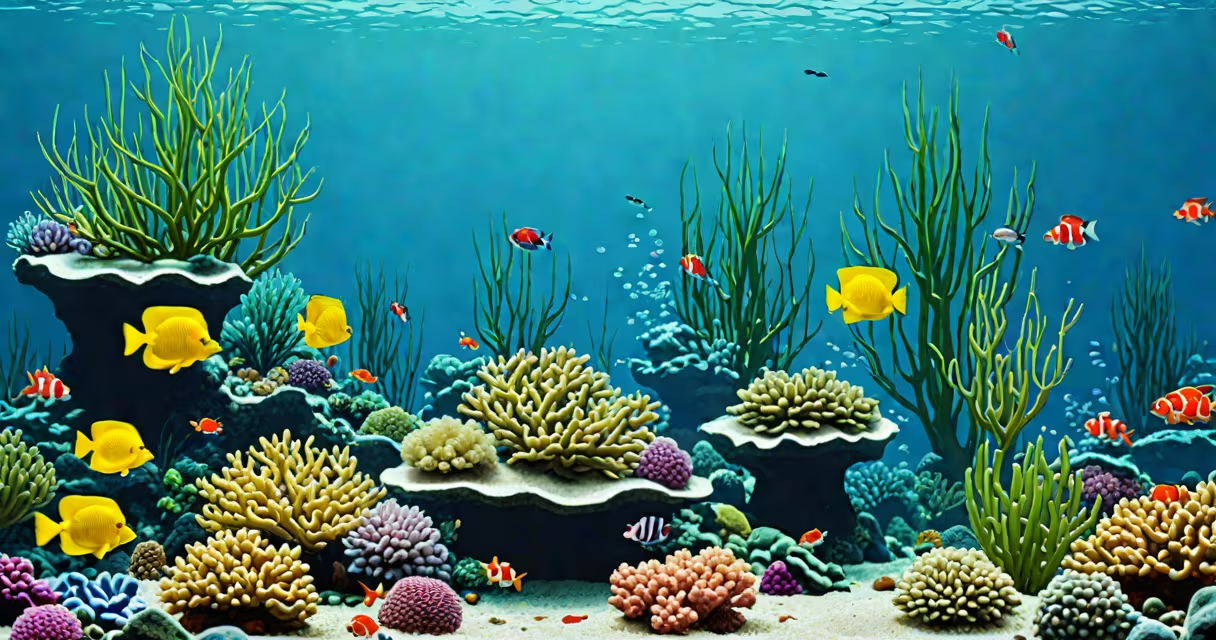
Aquatic diversity and ecology is the study of species interactions, habitats, and environmental processes in water-based ecosystems. These systems include oceans, rivers, lakes, and wetlands, each hosting unique biological communities.
Aquatic ecosystems rely on physical, chemical, and biological factors. Sunlight fuels photosynthesis in plants and algae, which form the base of the food web. Predators and prey maintain balance through natural selection.
For example, coral reefs support 25% of marine life despite covering only 0.1% of the ocean floor. Their structure provides shelter, while their symbiotic algae supply nutrients.
Aquatic habitats vary by salinity, depth, and location. The table below outlines key differences:
| Habitat Type | Salinity | Examples |
|---|---|---|
| Marine | High | Coral reefs, open ocean |
| Freshwater | Low | Rivers, lakes |
| Brackish | Variable | Estuaries, mangroves |
Aquatic diversity supports human needs like food, medicine, and clean water. Healthy ecosystems absorb carbon dioxide and mitigate climate change. For instance, seagrass beds store carbon 35 times faster than terrestrial forests.
However, pollution, overfishing, and habitat destruction threaten these benefits. Conservation efforts, such as marine protected areas, help preserve biodiversity.
Many assume aquatic ecosystems are uniform, but they vary widely. For example, the deep sea lacks sunlight, relying instead on chemosynthesis near hydrothermal vents. Another myth is that all fish are cold-blooded; some, like tuna, regulate their body temperature.
The Great Barrier Reef, off Australia's coast, spans 2,300 kilometers and hosts over 1,500 species of fish. Its coral polyps build reef structures, creating habitats for marine life. However, rising ocean temperatures cause coral bleaching, threatening this system. Conservation includes reducing pollution and limiting fishing.
Understanding aquatic diversity and ecology highlights the importance of preserving these fragile systems. Their health directly impacts global biodiversity and human well-being.