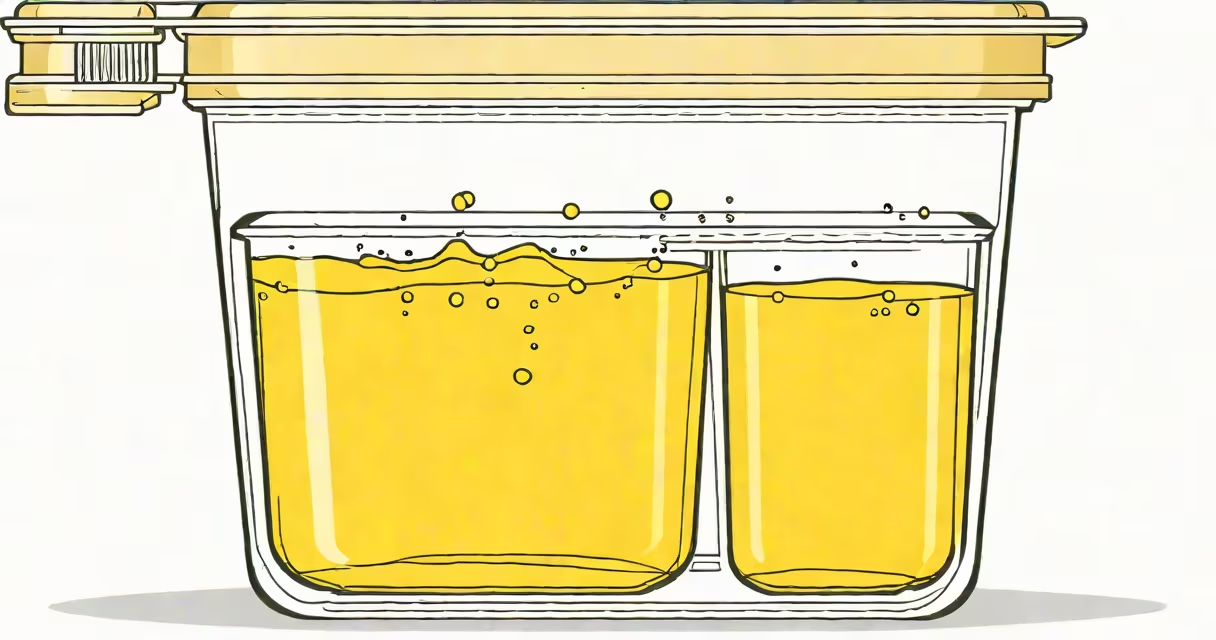
A urinary tract infection (UTI) often causes urine to smell foul due to bacterial metabolism altering urine chemistry. This distinct odor is usually stronger than normal urine and may resemble ammonia or rotten fish.
Bacteria like E. coli-the most common UTI culprit-produce compounds during metabolism that create noticeable odors. These bacteria thrive in the urinary tract, breaking down urea and other compounds in urine. The resulting waste products often have strong, unpleasant smells.
For example, a UTI caused by Pseudomonas aeruginosa-a less common but serious bacterial strain-can make urine smell like vinegar or bleach. This happens because the bacteria produce volatile organic compounds that evaporate quickly, making the odor particularly strong.
| Type of UTI | Common Odor Description | Typical Causative Bacteria |
|---|---|---|
| Bladder Infection (Cystitis) | Ammonia-like or strong, pungent | E. coli (80-90% of cases) |
| Kidney Infection (Pyelonephritis) | Foul, rotten, or decay-like | E. coli, Klebsiella, Proteus |
| Urethritis | Fishy or musty | Neisseria gonorrhoeae, Chlamydia trachomatis |
While a UTI is a common cause of bad-smelling urine, other factors can contribute to unusual odors. Dietary choices, such as eating asparagus or drinking coffee, can temporarily alter urine smell. Dehydration concentrates urine, making any odor stronger. Certain medications, like antibiotics or vitamins, can also change urine odor.
If bad-smelling urine persists for more than a few days or is accompanied by other symptoms-such as pain, cloudy urine, or fever-consult a healthcare provider. Persistent foul odors without infection could indicate an underlying condition requiring treatment.
In my experience, patients often overlook UTI symptoms until the odor becomes unbearable. Early diagnosis and treatment prevent complications, so don't wait for severe symptoms before seeking help.
Drinking plenty of water helps flush bacteria from the urinary tract, reducing odor-causing buildup. Cranberry juice or supplements may help prevent UTIs by inhibiting bacterial adhesion to bladder walls. Proper hygiene, especially after sexual activity, also lowers UTI risk.
If foul-smelling urine recurs frequently, a doctor may recommend a urinalysis or urine culture to identify the cause. Chronic infections or persistent odors without infection may require further evaluation.