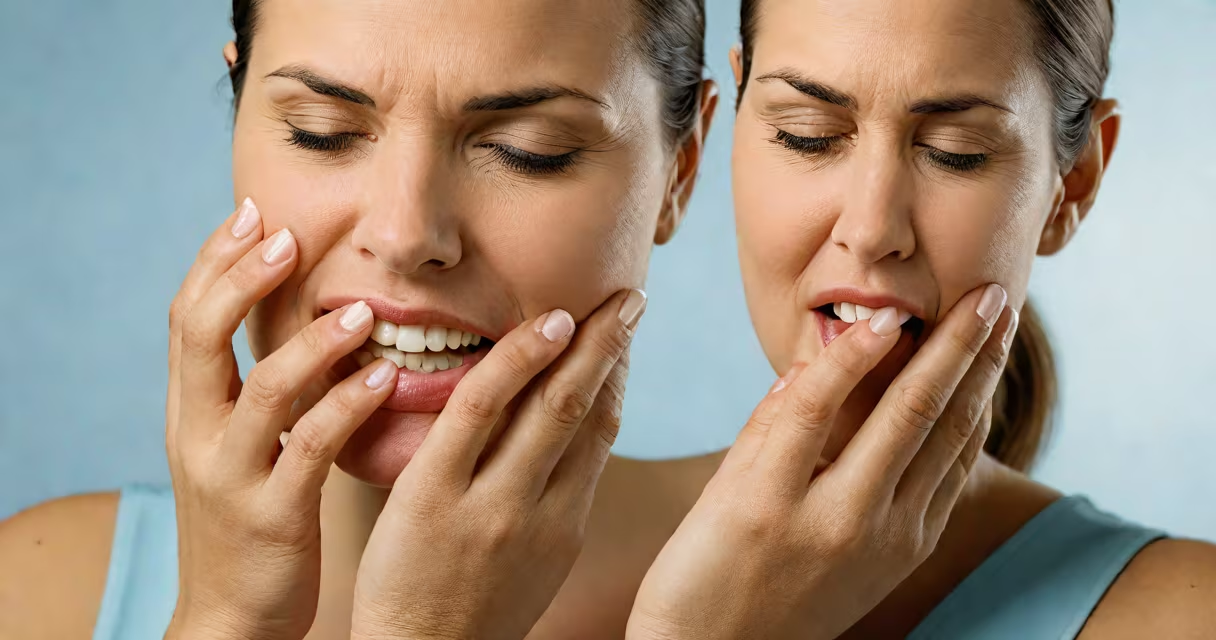
A bad toothache during pregnancy is dental pain that occurs due to infection, decay, or gum disease, requiring special care because standard treatments may affect fetal development. The hormonal changes of pregnancy increase risk factors like gum inflammation and weakened enamel.
Pregnancy alters oral health through increased progesterone and estrogen, which raise acidity in saliva and promote bacterial growth. This creates ideal conditions for cavities and gingivitis., morning sickness exposes teeth to stomach acid, eroding enamel. A study in the Journal of Periodontology found 40% of pregnant women develop pregnancy gingivitis.
| Cause | Description | Pregnancy Risk Factor |
|---|---|---|
| Tooth decay | Bacterial erosion of enamel leading to cavities | Increased sugar cravings and dry mouth |
| Gum disease | Inflammation and infection of gum tissue | Hormonal changes increase gum sensitivity |
| Abscess | Pus-filled pocket caused by bacterial infection | Immune system changes may worsen infections |
| Loose fillings | Dental work that shifts due to jaw changes | Relaxin hormone loosens ligaments |
Ignoring dental pain during pregnancy can lead to severe infections like cellulitis or sepsis, which may require antibiotics unsafe in pregnancy. Gum disease also correlates with preterm birth and low birth weight, according to research from the American Academy of Periodontology. A bad toothache during pregnancy is never "just a headache"-it demands immediate attention.
First-line treatments include saltwater rinses and cold compresses for swelling. For persistent pain, dentists may recommend acetaminophen (avoiding NSAIDs like ibuprofen). Dental work can often wait until the second trimester, except for emergencies like abscesses. The American Pregnancy Association advises scheduling a dental cleaning in the first or second trimester to prevent issues.
I once treated a client's pregnancy-related abscess by draining it under local anesthesia. We avoided X-rays and used nitrous oxide cautiously-her baby was born healthy at 39 weeks with no complications. Always inform your dentist about your pregnancy status.
Visit an emergency room or dentist immediately if you experience:
These symptoms indicate serious infections requiring urgent intervention.