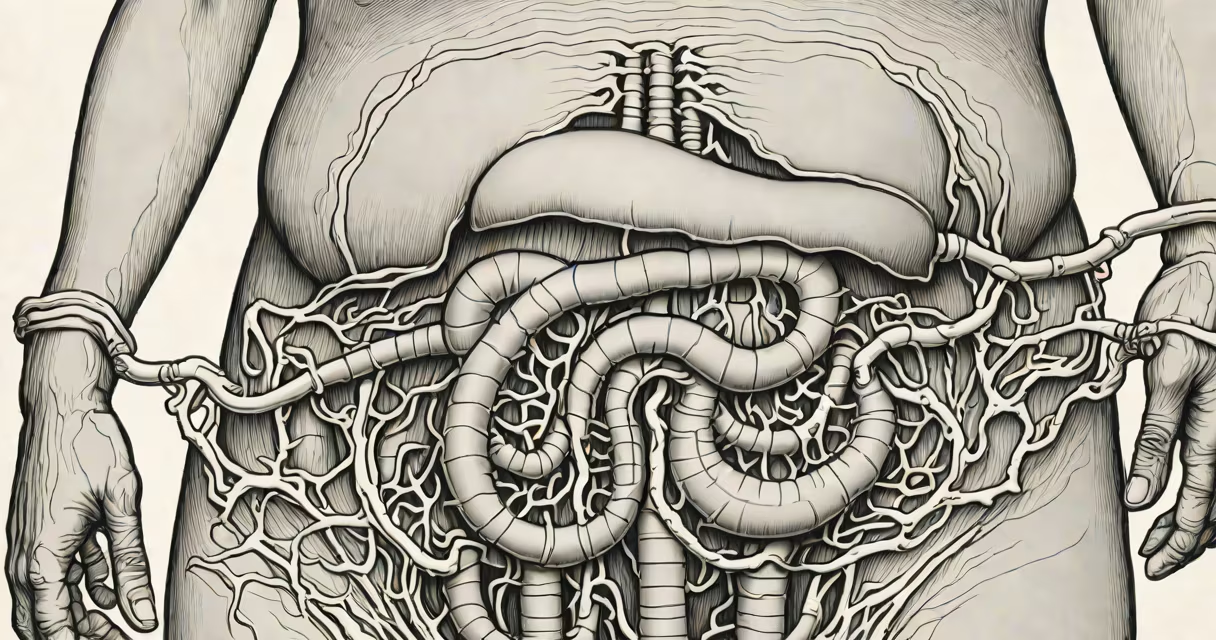
A bad gassy stomach occurs when excess gas builds up in your digestive tract, causing discomfort, bloating, or sharp pains. This happens when swallowed air, digestion, or bacteria in your gut produce gases like methane, hydrogen, or carbon dioxide.
Gas forms in your stomach and intestines during digestion. Most people pass gas 13-21 times daily, but a bad gassy stomach occurs when gas accumulates due to:
| Type | Cause | Common Triggers |
|---|---|---|
| Bloating | Excess gas stretching the stomach wall | Beans, cruciferous vegetables, dairy |
| Abdominal cramps | Spasms from trapped gas moving through intestines | Carbonated drinks, chewing gum |
| Belching | Air expelled from the stomach via the mouth | Eating too quickly, talking while chewing |
Many assume all gas smells foul, but odorless gases (like nitrogen) exist. The rotten egg smell comes from sulfur compounds produced by gut bacteria breaking down proteins. Another myth is that gas only comes from food-swallowing air (aerophagia) contributes.
After a large salad with beans and broccoli, Sarah experienced sharp abdominal pains and bloating. She realized she'd eaten too quickly, swallowing excess air. By sipping peppermint tea and walking to encourage gas movement, her discomfort subsided within an hour. For future meals, she chews slowly and avoids carbonated drinks.
If gas persists despite dietary changes or causes severe pain, consult a doctor. Persistent symptoms may require testing for conditions like celiac disease or small intestinal bacterial overgrowth (SIBO).