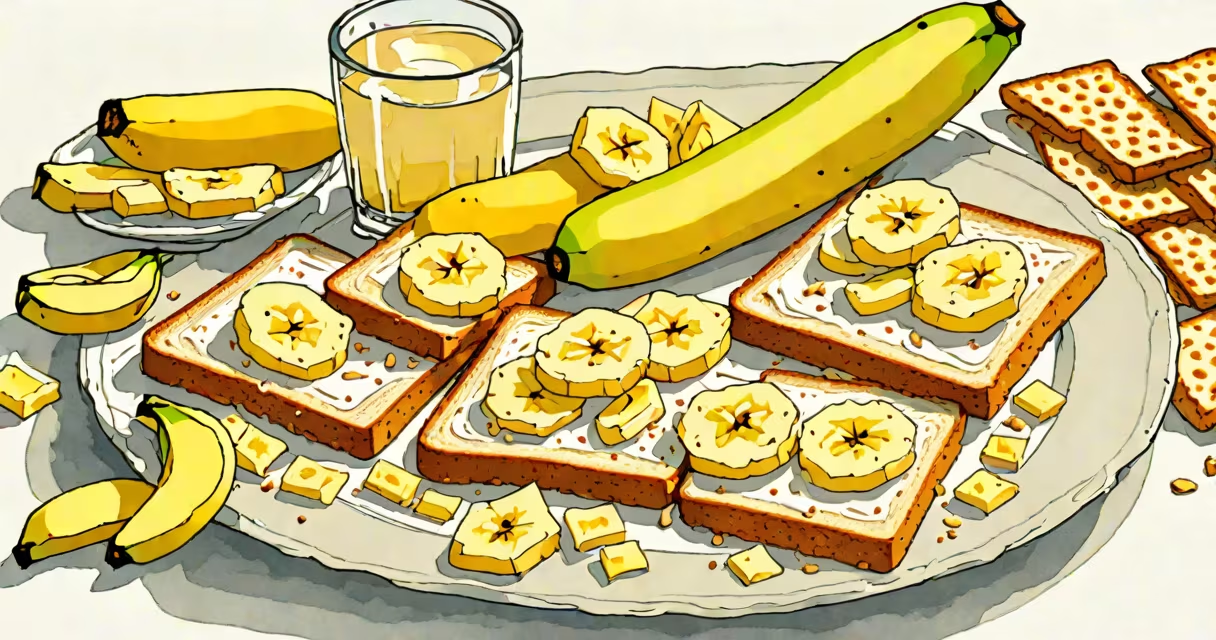
After vomiting, the best food includes bland, easy-to-digest options like crackers, toast, and bananas. These foods help settle your stomach and prevent further nausea.
Vomiting can irritate your stomach lining and disrupt digestion. Eating the right foods helps soothe the stomach, replenish lost nutrients, and restore normal digestive function. The goal is to introduce foods gradually, starting with small portions of easily digestible items.
The best foods after vomiting are typically part of a bland diet. These include:
These foods are low in fat, fiber, and acidity, making them gentle on the stomach. They also provide essential nutrients like carbohydrates and potassium, which are often depleted after vomiting.
After vomiting, it's important to wait until you feel slightly better before eating. Starting with small amounts of water or clear liquids (like broth) can help rehydrate you. Once you can keep those down, gradually introduce solid foods like those mentioned above. This step-by-step approach helps prevent further nausea and vomiting.
Many people think they should eat heavy, greasy foods to "settle" their stomach after vomiting. However, these foods can actually worsen nausea and prolong recovery. Another misconception is that you should avoid eating altogether, but going too long without food can lead to low blood sugar and weakness.
If you've just vomited, start by sipping small amounts of water or an electrolyte drink to rehydrate. Once you can keep liquids down, try eating a few saltine crackers. If your stomach tolerates these, move on to a piece of plain toast or a banana. If you can keep these down without feeling nauseous, you can gradually reintroduce other bland foods like rice or boiled potatoes. Avoid spicy, fatty, or acidic foods until your stomach has fully recovered.