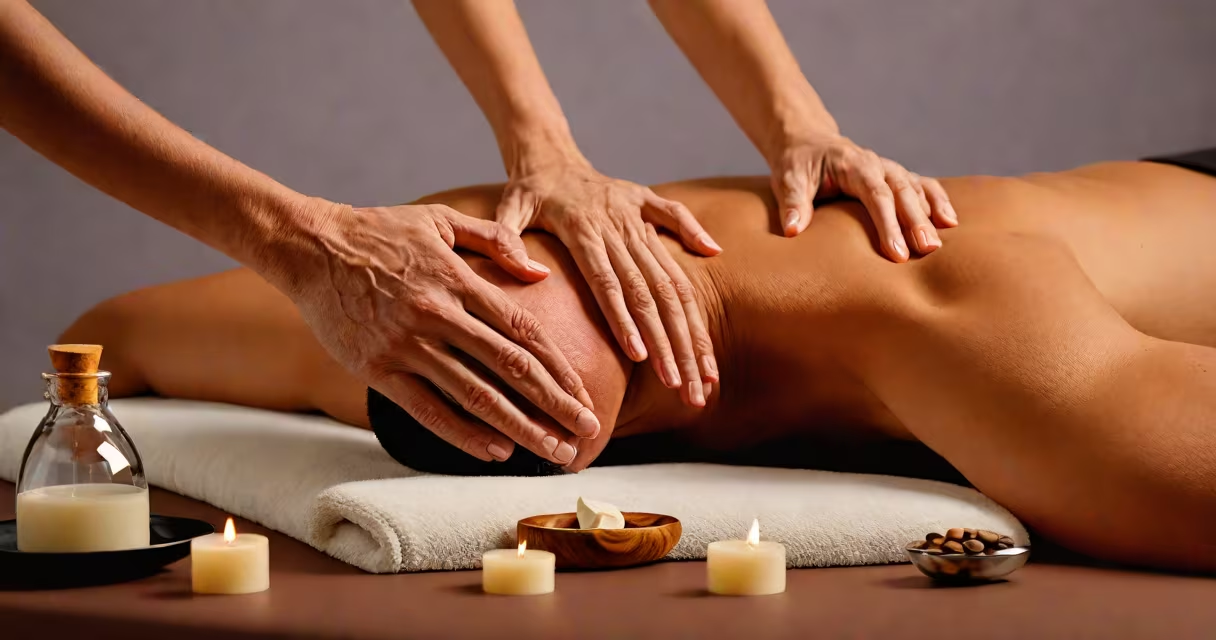
The best ways to relax muscles combine heat therapy, gentle stretching, and targeted massage to reduce tension and improve blood flow. These methods work by increasing circulation, releasing endorphins, and loosening tight fibers.
Muscle tension often results from stress, overuse, or poor posture. When muscles tighten, they restrict blood flow, leading to discomfort and reduced mobility. Effective relaxation techniques address these issues by promoting circulation and releasing built-up tension.
Common methods include:
Muscle relaxation is most effective after physical activity, during stressful periods, or when recovering from injury. For example, athletes use post-workout stretching to prevent soreness, while office workers apply heat packs to relieve tension from prolonged sitting.
According to the Mayo Clinic, regular muscle relaxation can reduce chronic pain and improve well-being. A study published in the National Institutes of Health found that consistent stretching improves flexibility by up to 30%.
Many people assume that intense exercise is the best way to relax muscles. However, overexertion can sometimes worsen tension. Instead, low-impact activities like yoga or tai chi are more effective for long-term muscle relaxation.
After a strenuous workout, follow these steps to relax muscles:
I've used this routine after intense gym sessions, and it reduces post-workout soreness. The combination of stretching and heat therapy works better than static rest alone.