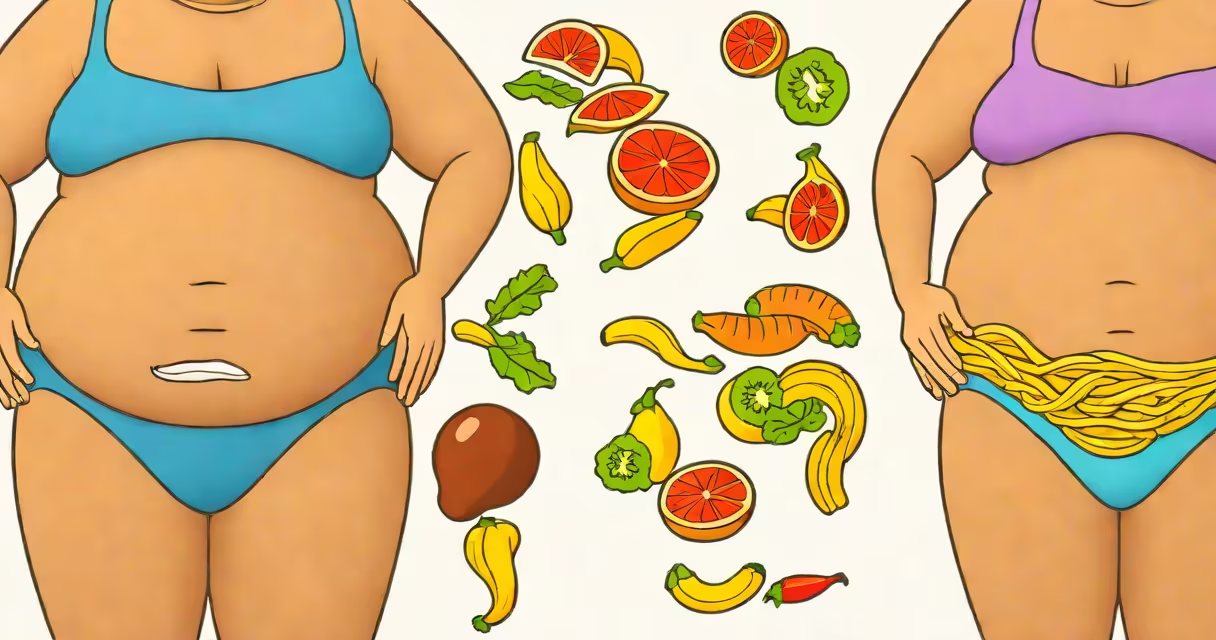
A bloated stomach occurs when gas or fluid builds up in your digestive tract, while belly fat is excess adipose tissue around your waist. Bloating may cause temporary swelling, whereas belly fat persists until you lose weight.
Bloating creates visible swelling and discomfort, often after eating. The distension usually subsides within hours. Belly fat, however, accumulates gradually and requires diet and exercise to reduce.
Bloating results from digestive issues like gas, constipation, or food intolerances. Belly fat forms when you consume more calories than you burn, causing your body to store excess energy as fat.
| Characteristic | Bloating | Belly Fat |
|---|---|---|
| Appearance | Swollen, tight abdomen | Round, protruding belly |
| Duration | Hours or days | Months or years |
| Common Causes | Gas, indigestion, food intolerances | Excess calorie intake, lack of exercise |
| Relief Methods | Over-the-counter meds, diet changes | Exercise, healthy diet, stress management |
Bloating happens when your gastrointestinal tract fills with air or gas. Common triggers include:
According to the National Institute of Diabetes and Digestive and Kidney Diseases, about 16 out of 100 people experience bloating regularly. Most cases result from dietary choices or minor digestive issues.
Belly fat falls into two categories: subcutaneous and visceral. Subcutaneous fat lies just under the skin, while visceral fat surrounds internal organs. Visceral fat poses greater health risks, including heart disease and type 2 diabetes.
Research published in the journal Obesity found that visceral fat increases inflammation and insulin resistance, raising the risk of metabolic disorders. Unlike subcutaneous fat, visceral fat doesn't always make your belly look larger.
See a doctor if bloating lasts longer than two weeks or occurs with other symptoms like:
Persistent bloating may indicate conditions like irritable bowel syndrome (IBS) or celiac disease. A healthcare provider can help identify the underlying cause and recommend treatment.
To minimize bloating, avoid known triggers like beans, cabbage, and onions. Eat slowly, chew thoroughly, and stay hydrated. Probiotics may also help balance gut bacteria and reduce bloating.
To reduce belly fat, focus on a balanced diet rich in whole foods like vegetables, lean proteins, and whole grains. Regular exercise, particularly strength training and high-intensity interval training (HIIT), can help burn calories and build muscle.
Getting enough sleep and managing stress levels also play important roles in maintaining a healthy weight. Chronic stress can lead to overeating and weight gain, particularly around the abdomen.
I once struggled with frequent bloating until I identified my trigger foods. Cutting out dairy and increasing fiber intake made a noticeable difference within a week. For belly fat, combining strength training with a balanced diet helped me see results in about three months.
Understanding the differences between a bloated stomach and belly fat helps you address each issue effectively. While bloating often resolves with simple dietary adjustments, reducing belly fat requires long-term lifestyle changes. If symptoms persist, consult a healthcare professional for personalized advice.