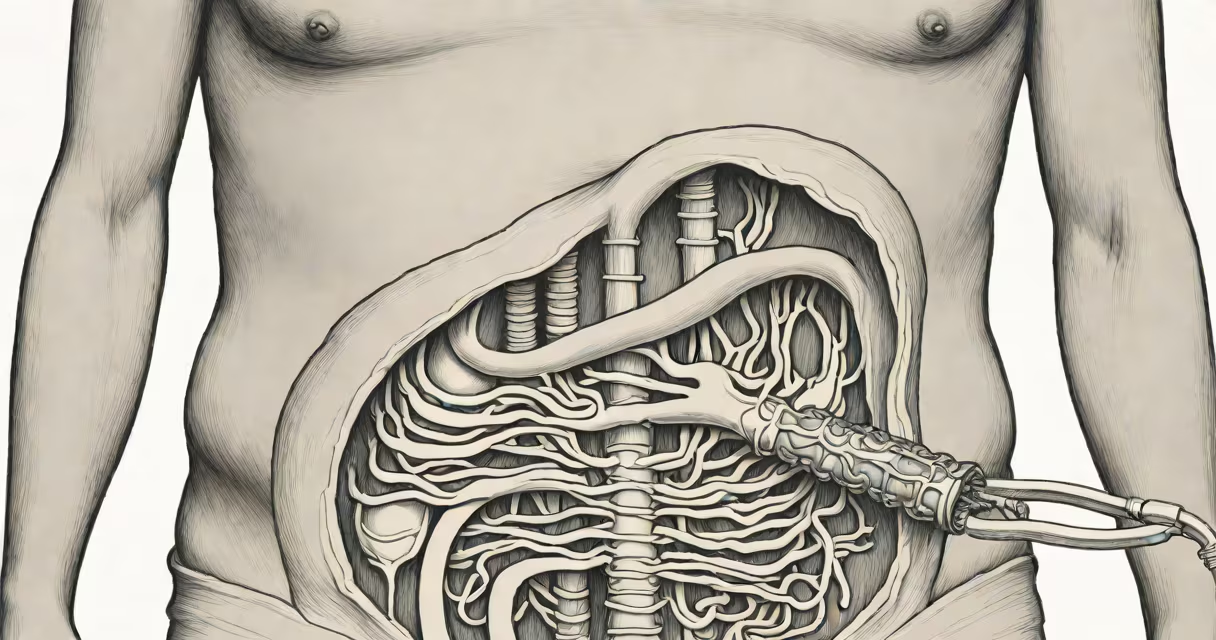
Acid reflux occurs when stomach acid flows backward into the esophagus, causing irritation. This condition, also known as gastroesophageal reflux disease (GERD) when chronic, can lead to several complications if left untreated.
The lower esophageal sphincter (LES) is a ring of muscle that normally closes tightly after food passes through it. In people with acid reflux, this muscle doesn't close properly, allowing stomach acid to seep into the esophagus. This backflow can irritate the lining of the esophagus, leading to discomfort and potential damage over time.
There are two primary types of acid reflux:
If acid reflux is not managed properly, it can lead to several serious health issues:
| Complication | Description |
|---|---|
| Esophagitis | Inflammation of the esophagus due to repeated exposure to stomach acid, causing pain and difficulty swallowing. |
| Esophageal strictures | Scarring and narrowing of the esophagus, making it hard to swallow food. |
| Barrett's esophagus | A condition where the cells lining the lower esophagus change due to repeated exposure to stomach acid, increasing the risk of esophageal cancer. |
| Esophageal cancer | Long-term damage from acid reflux can lead to precancerous changes in the esophagus, potentially developing into cancer. |
For example, a study published in the journal Gastroenterology found that people with GERD have a higher risk of developing esophageal adenocarcinoma, a type of esophageal cancer. This highlights the importance of managing acid reflux effectively to avoid severe outcomes.
Many people confuse acid reflux with other conditions, such as heart attacks or muscle spasms. However, acid reflux is distinct because it involves the regurgitation of stomach acid into the esophagus, causing a burning sensation in the chest. Unlike heartburn caused by nonsteroidal anti-inflammatory drugs (NSAIDs), which can also trigger acid reflux, the primary cause is the malfunction of the LES.
I once had a patient who frequently experienced heartburn but dismissed it as minor discomfort. Over time, their symptoms worsened, leading to difficulty swallowing. A visit to the doctor revealed that they had developed an esophageal stricture due to untreated acid reflux. This case underscores the importance of addressing acid reflux early to prevent long-term damage.