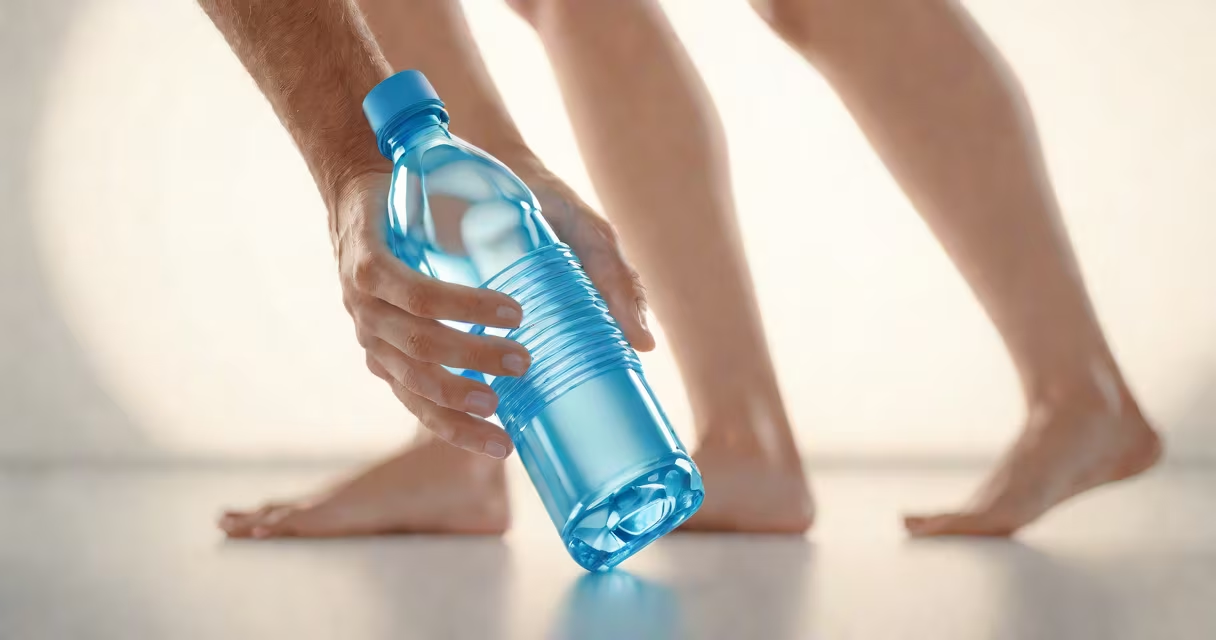
Dehydration can cause leg aches through muscle cramps, reduced blood flow, and electrolyte imbalances. Your body needs proper hydration to maintain muscle function and circulation.
When you're dehydrated, your body can't transport nutrients and oxygen efficiently to your muscles. This leads to several issues:
| Type | Description | Common Locations |
|---|---|---|
| Cramps | Sudden, intense contractions | Calves, thighs |
| Aches | Dull, persistent soreness | Entire leg, often both sides |
| Stiffness | Reduced range of motion | Knees, hips |
People often mistake dehydration-related leg pain for other conditions:
After a long hike without enough water, I noticed my calves cramping and my legs feeling heavy. I sat down, drank two large bottles of water with electrolytes, and rested for 20 minutes. The pain gradually faded as my muscles rehydrated. This showed me firsthand how critical proper hydration is for muscle function.
While dehydration often causes leg pain, you should see a doctor if:
To avoid dehydration-related leg pain:
For more on stress-related leg pain, see can stress make your legs ache.
Many people think:
You only need to drink when thirsty.
In reality, thirst is a late sign of dehydration. By the time you feel thirsty, your body may already be dehydrated. Athletes and older adults often don't feel thirst until they're dehydrated.
Another myth is that any clear liquid counts toward hydration. Coffee, alcohol, and sugary drinks can actually contribute to dehydration. Water and electrolyte drinks are the best choices.