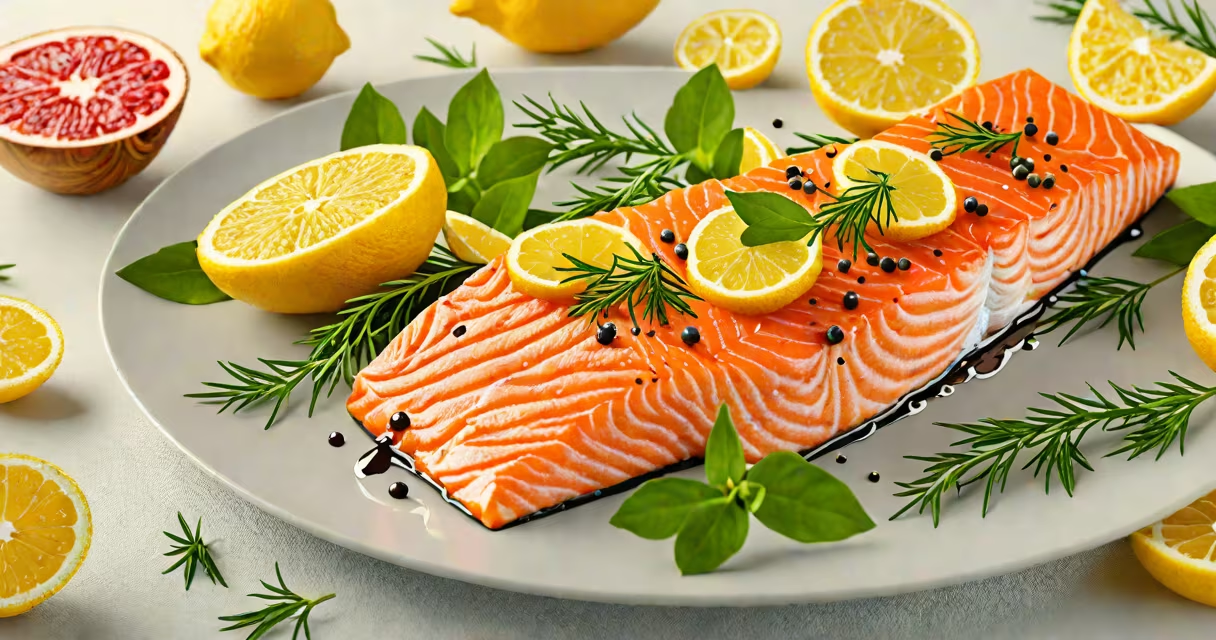
Fish can help you lose weight by providing lean protein and omega-3 fatty acids that support metabolism and reduce inflammation. Regular consumption fits into calorie-controlled diets while offering heart-healthy benefits.
Fish is low in calories compared to other protein sources. A 3-ounce serving of cod contains about 80 calories, while the same portion of chicken breast has 128 calories. The omega-3 fatty acids in fish-eicosapentaenoic acid (EPA) and docosahexaenoic acid (DHA)-play key roles in weight regulation.
Research published in the International Journal of Obesity found that omega-3s may reduce fat storage and increase fat burning. These fats also help regulate hormones that control appetite, potentially reducing cravings.
| Fish Type | Calories (per 3 oz) | Omega-3 Content (g per serving) |
|---|---|---|
| Salmon | 177 | 1.8 |
| Mackerel | 205 | 2.6 |
| Sardines | 112 | 1.3 |
| Cod | 80 | 0.2 |
| Tuna | 116 | 0.3 |
Fatty fish like salmon and mackerel offer the highest omega-3 content, while leaner options like cod and tuna provide fewer calories. All are excellent protein sources for weight management.
Some believe that only fatty fish offer benefits, but lean fish contribute to weight loss through high-quality protein. Others assume fish must be eaten raw or fried, but grilled, baked, or steamed preparations work best for calorie control.
A study in the Journal of Nutrition showed that people who ate baked or broiled fish lost more weight than those who ate fried fish. Preparation matters as much as the fish type itself.
Fish compares favorably to other protein sources like chicken, beef, and plant-based proteins. While chicken and turkey are also lean, they lack omega-3s unless enriched. Beef tends to be higher in saturated fat, which doesn't support heart health as effectively.
For plant-based proteins, tofu and tempeh offer benefits but may lack the complete amino acid profile found in fish. A balanced diet often includes both animal and plant proteins for optimal results.
Include fish in your diet 2-3 times per week, pairing it with vegetables and whole grains. For example, a lunch of grilled salmon with quinoa and steamed broccoli provides balanced nutrition. Avoid high-calorie sauces and opt for lemon juice or herbs instead.
I've found that meal prepping fish dishes helps maintain consistency. Baking salmon with garlic and dill ahead of time makes it easy to grab a healthy lunch during the workweek.