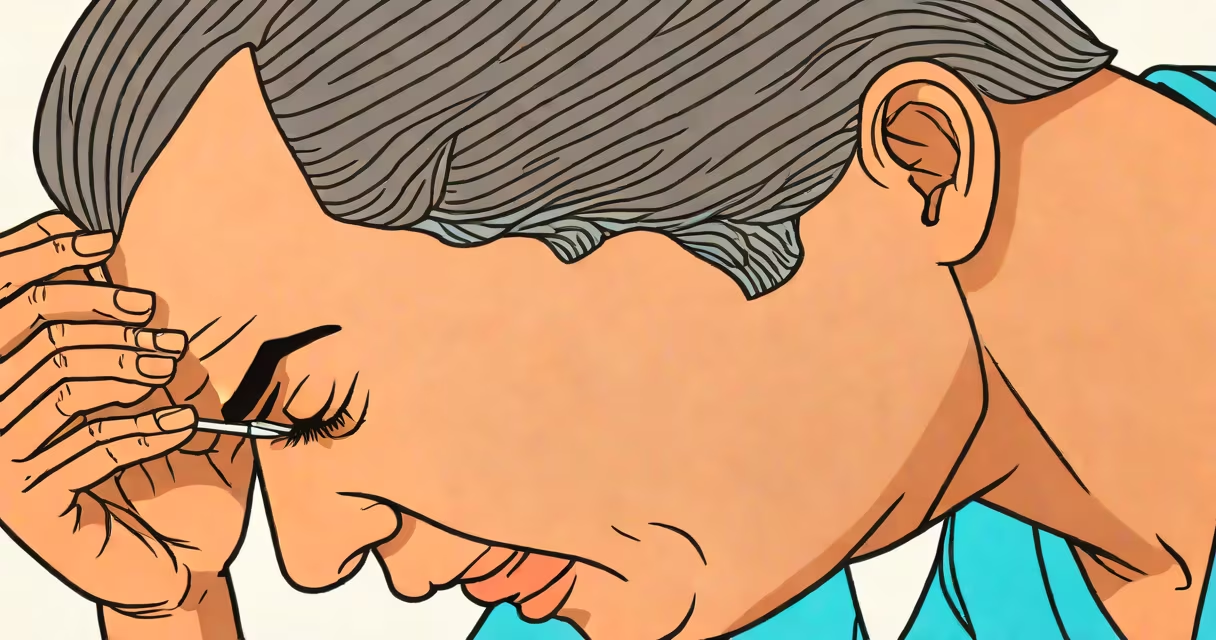
Yes, hair loss caused by stress can often grow back once the underlying stress is managed and the hair follicles return to their normal cycle. This type of hair loss, typically telogen effluvium or alopecia areata, is usually temporary.
Stress disrupts the natural hair growth cycle, which has three phases: anagen (growth), catagen (transition), and telogen (resting). Under severe stress, hair follicles prematurely enter the telogen phase, causing shedding. This condition is called telogen effluvium.
According to the American Academy of Dermatology, telogen effluvium can cause significant hair loss, but it is usually reversible once the stress is addressed. The hair follicles are not permanently damaged, so regrowth is possible.
There are two primary types of hair loss linked to stress:
Telogen effluvium is more common and tends to resolve within six months once the stress is mitigated. Alopecia areata may require medical treatment for hair regrowth.
For most people experiencing stress-induced hair loss, hair regrowth is possible. The key is identifying and managing the stressor. For example, if a person experiences significant hair loss due to a traumatic event, once they recover emotionally, their hair should gradually return to its normal growth cycle.
In my experience, clients who practice stress-reduction techniques like meditation, exercise, and therapy often see improvements in their hair health within a few months. However, severe or prolonged stress may require medical intervention.
To promote hair regrowth after stress-related hair loss, consider the following strategies:
Consulting a healthcare provider or dermatologist can help determine the best course of action for your specific situation.
If hair loss persists for more than six months or if large patches of hair are lost, it's important to seek medical advice. A dermatologist can diagnose the type of hair loss and recommend appropriate treatments.
In some cases, procedures like hair transplants may be considered for permanent hair loss solutions.